Are you heading to London and fancy exploring the surrounding area? Join us as we reveal the perfect day trips for those who want to experience the area in true British style!
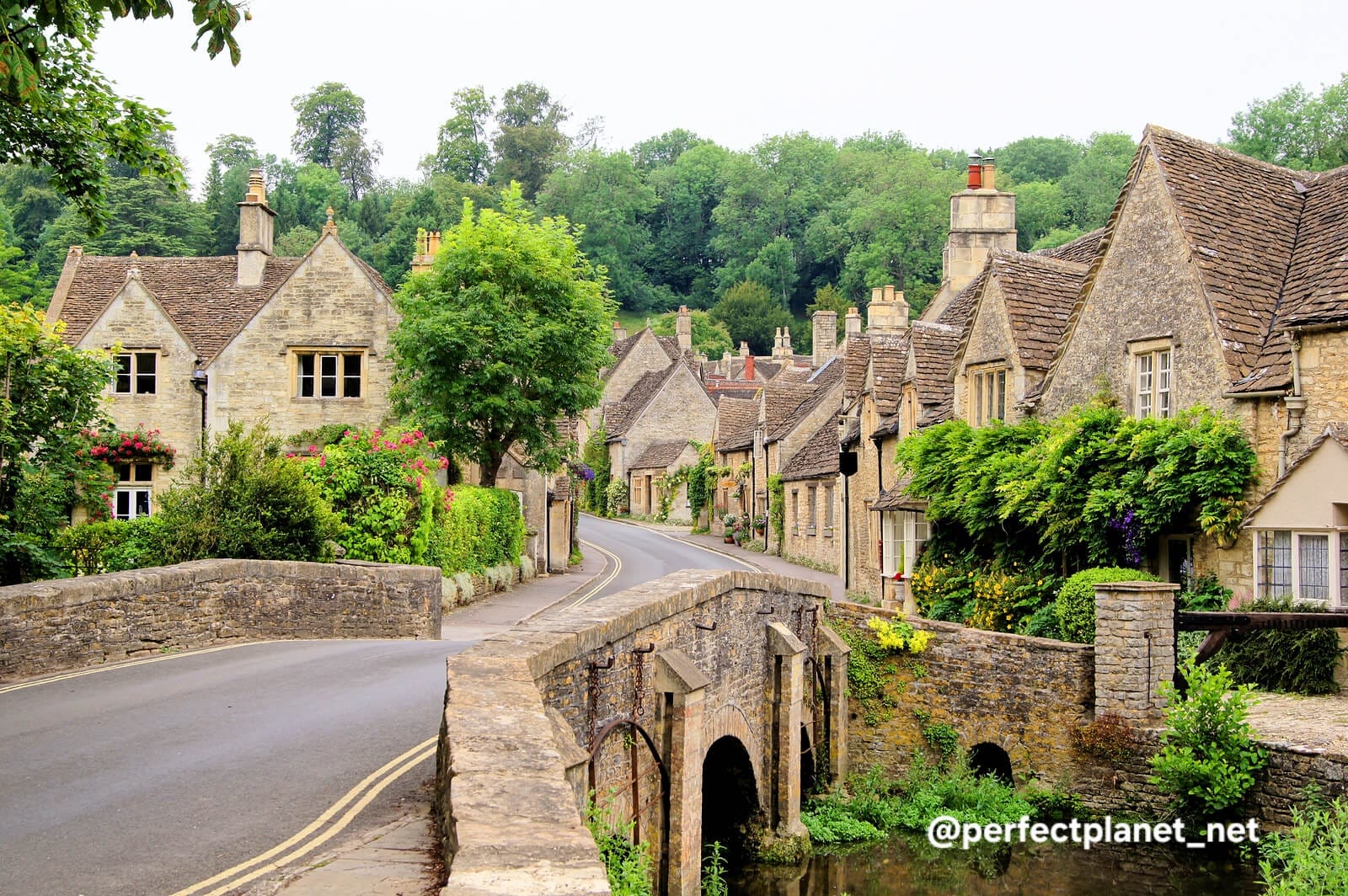
Costwolds
1. Oxford
2. Stratford-upon-Avon
3. Costwolds
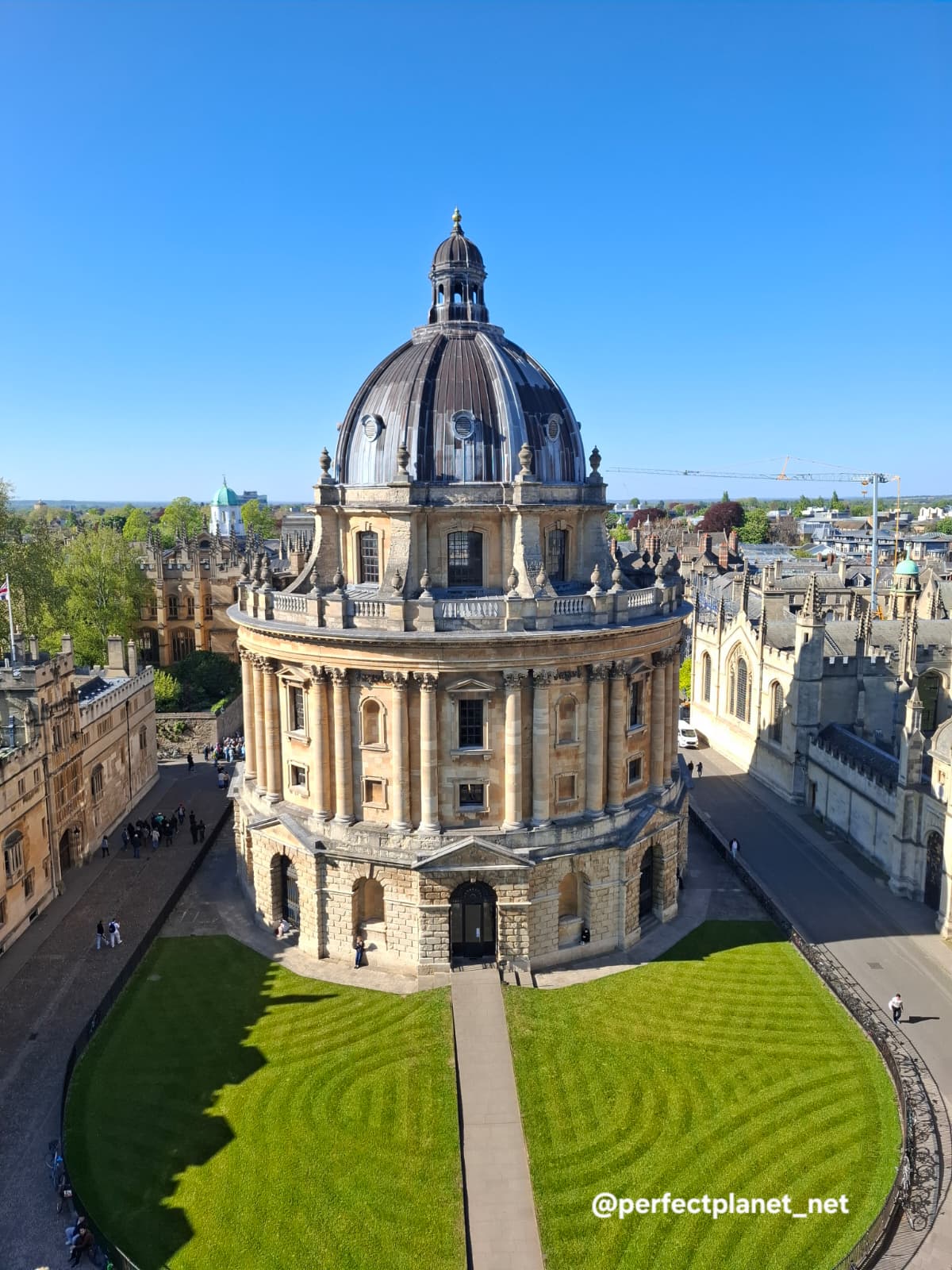
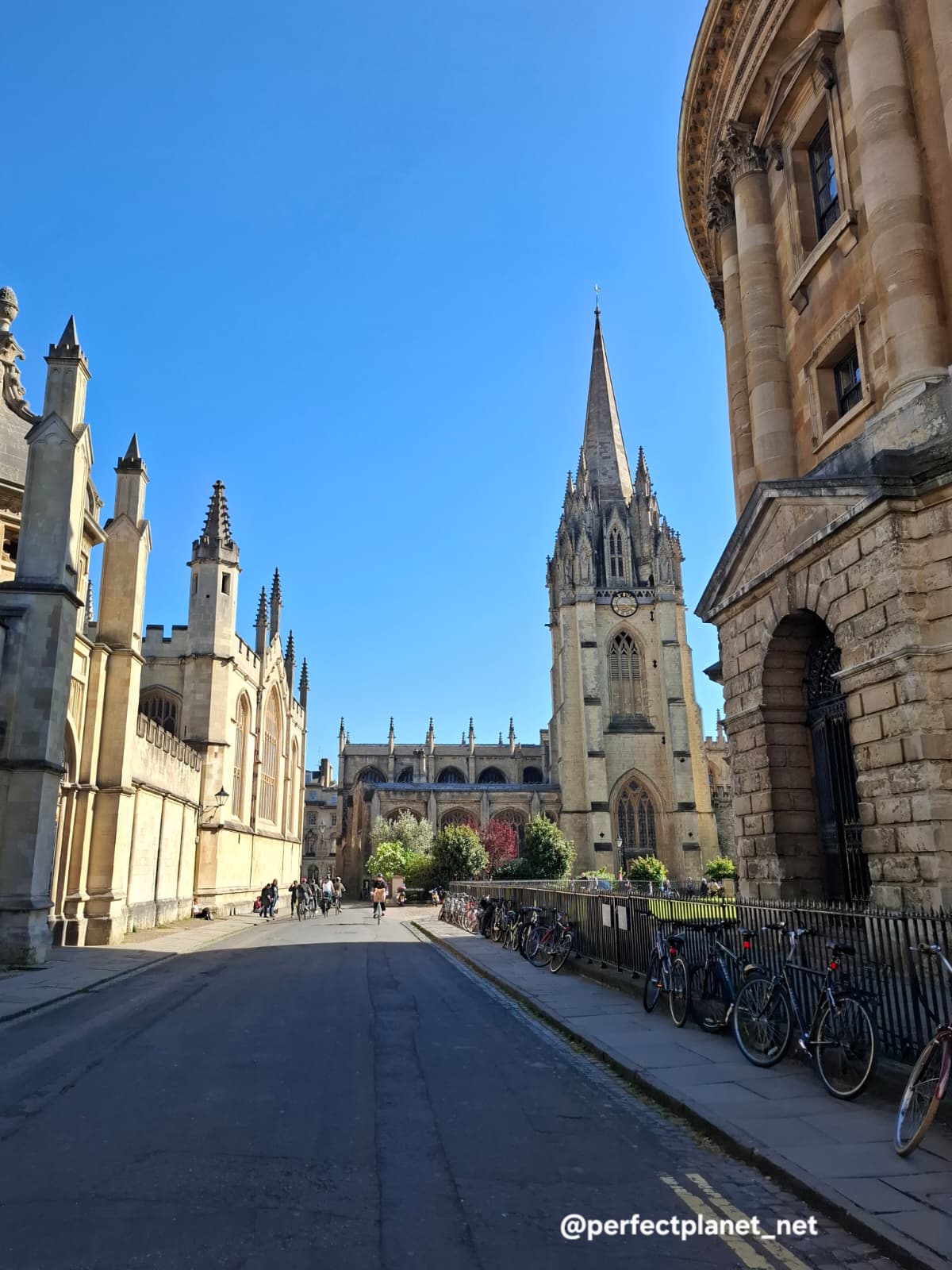
Radcliffe camera from St.Mary Tower
1. Oxford
If you’re a fan of Harry Potter and/or English Gothic style, Oxford is the place for you.
Oxford is a beautiful city, easy to explore on foot, renowned for its Gothic architecture and cobbled streets. The interiors of many of its buildings have been used as filming locations for several of the films in the Harry Potter series.
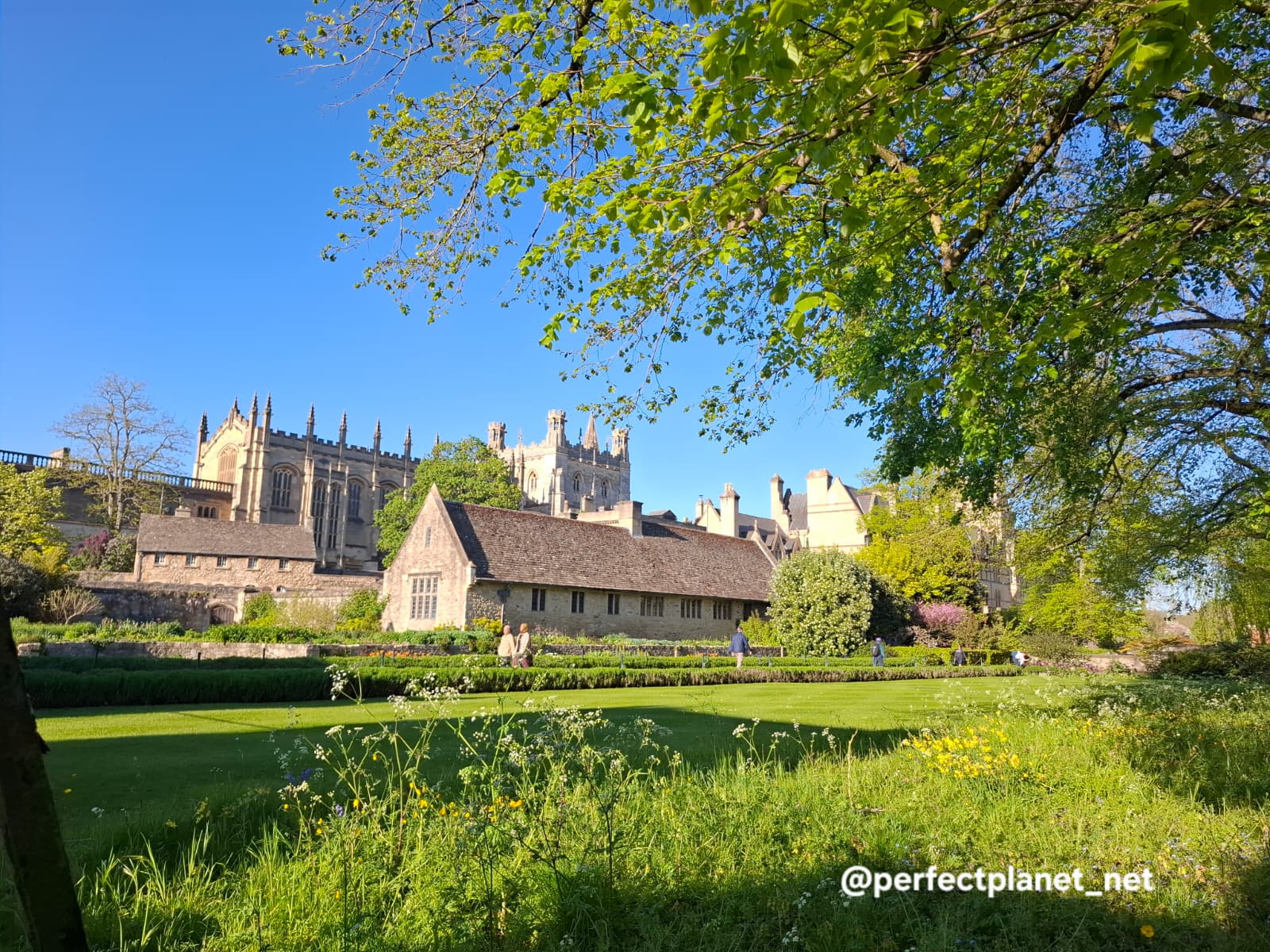
Oxford College
The origins of Oxford date back to a Saxon settlement on the main trade route between the Saxon kingdoms of Wessex and Mercia.
Legend has it that a nun and princess named Frideswide founded a monastery on the site of what is now Christ Church, and that when a Saxon king attempted to court her, she fled. The Saxon king pursued her and she fled into the woods. During the chase, he was struck by lightning and went blind, but when Frideswide heard of this, she prayed for him and a miracle occurred: he regained his sight. The king decided not to pursue her any further, and Frideswide returned to the monastery; a community gradually formed around the monastery until it became what is now Oxford.
Oxford is famous for being the British city home to the most prestigious and oldest university in the English-speaking world, founded in 1096. Initially, there was only the university, but the colleges were established to resolve disputes between the students and the people of Oxford.
It was not until 1920 that women were allowed to attend the university.
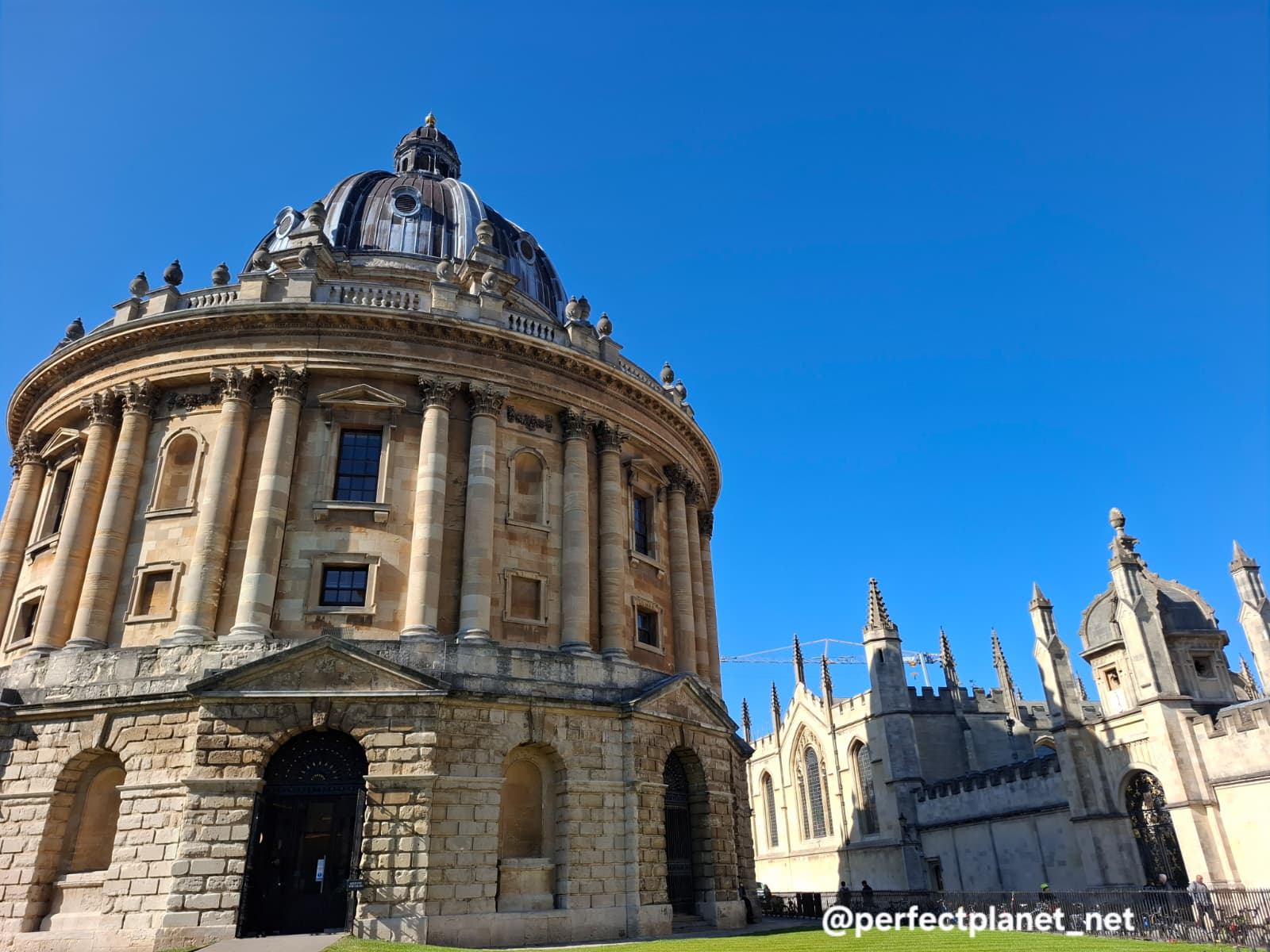
Oxford
How to get there
Oxford is located 80 km from London, the journey takes an hour and a half by train (from £7 per person each way)
If you’re travelling in your own car or a hire car, please note that Oxford city centre is a restricted traffic zone and you may be fined. We recommend the Hinksey Park Car Park, located a 15-minute walk from the city centre. Up to 5 hours costs £4.10. There is a canal and a children’s playground right next to it.
Tips. Remember that in Oxford, almost everything (except the pubs) closes at 4 or 5 pm.
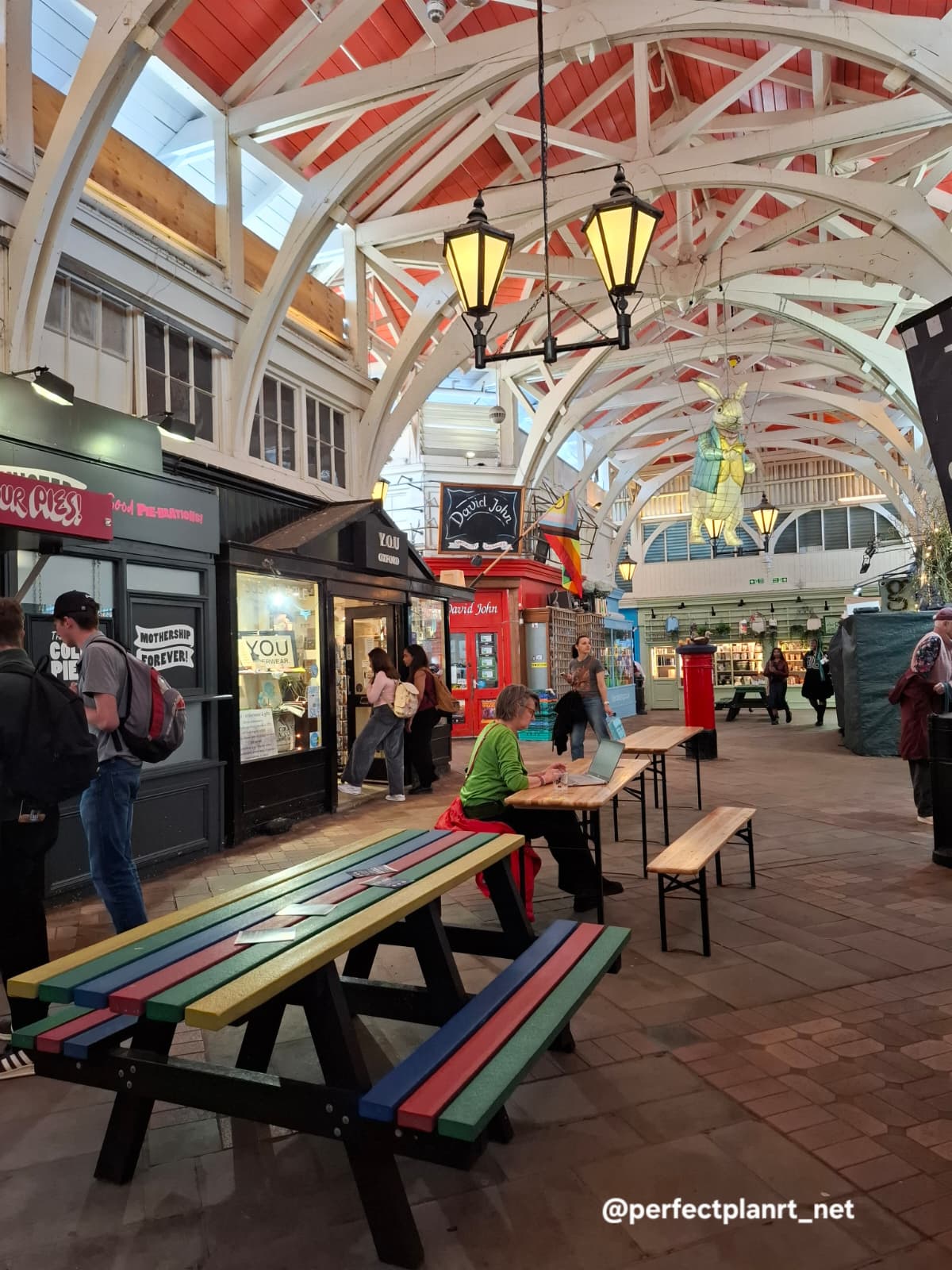
Covered Market
Things to do in Oxford
1. Visit Christ Church College. It is the city’s most famous college and one of the most prestigious in the world. It is home to one of the city’s most iconic landmarks, Oxford Cathedral. You can visit just the college, just the cathedral, or buy a combined ticket. The gardens are free to enter.
2. Bodleian Library and Divinity School, admission £12–£22. You must book online well in advance as it is almost always fully booked.
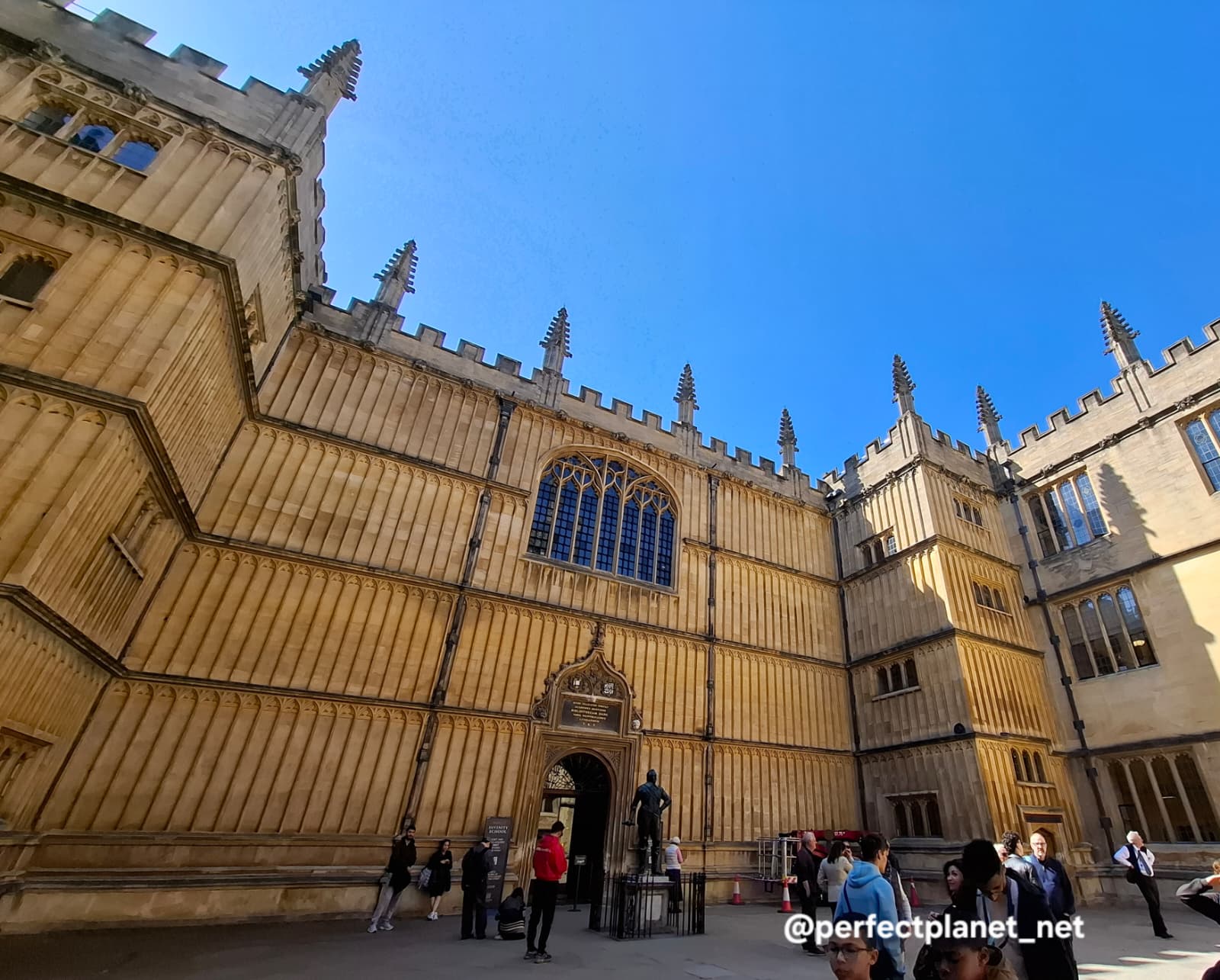
Bodleian Library
3. Radcliffe Camera, With a ticket to the Bodleian, you can visit Radcliffe, visits are only permitted as part of a combined tour.
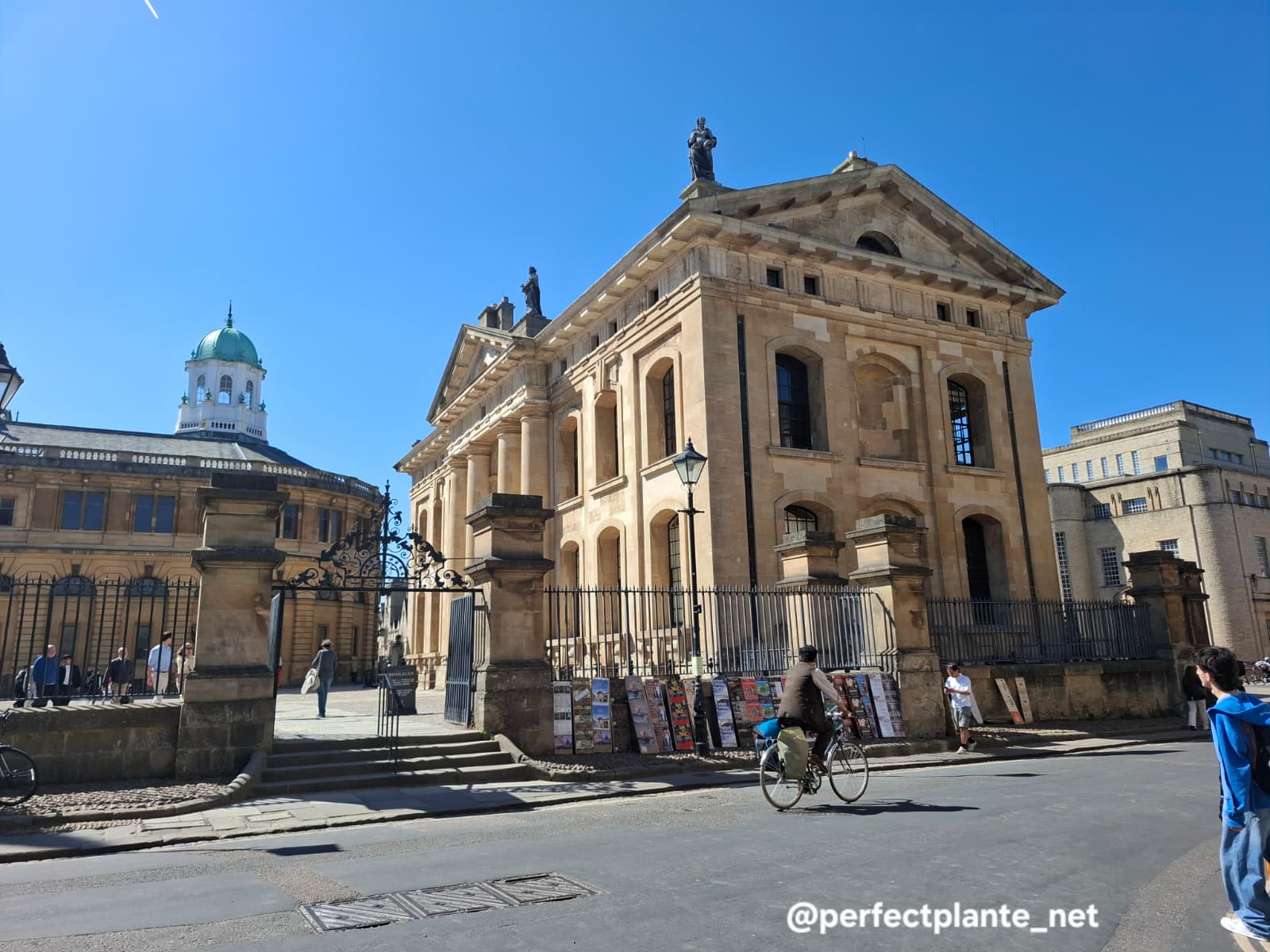
4.Sheldonian Theatre. Built in the mid-17th century, it was used to host Oxford University’s graduation ceremonies and is still used for that purpose today.
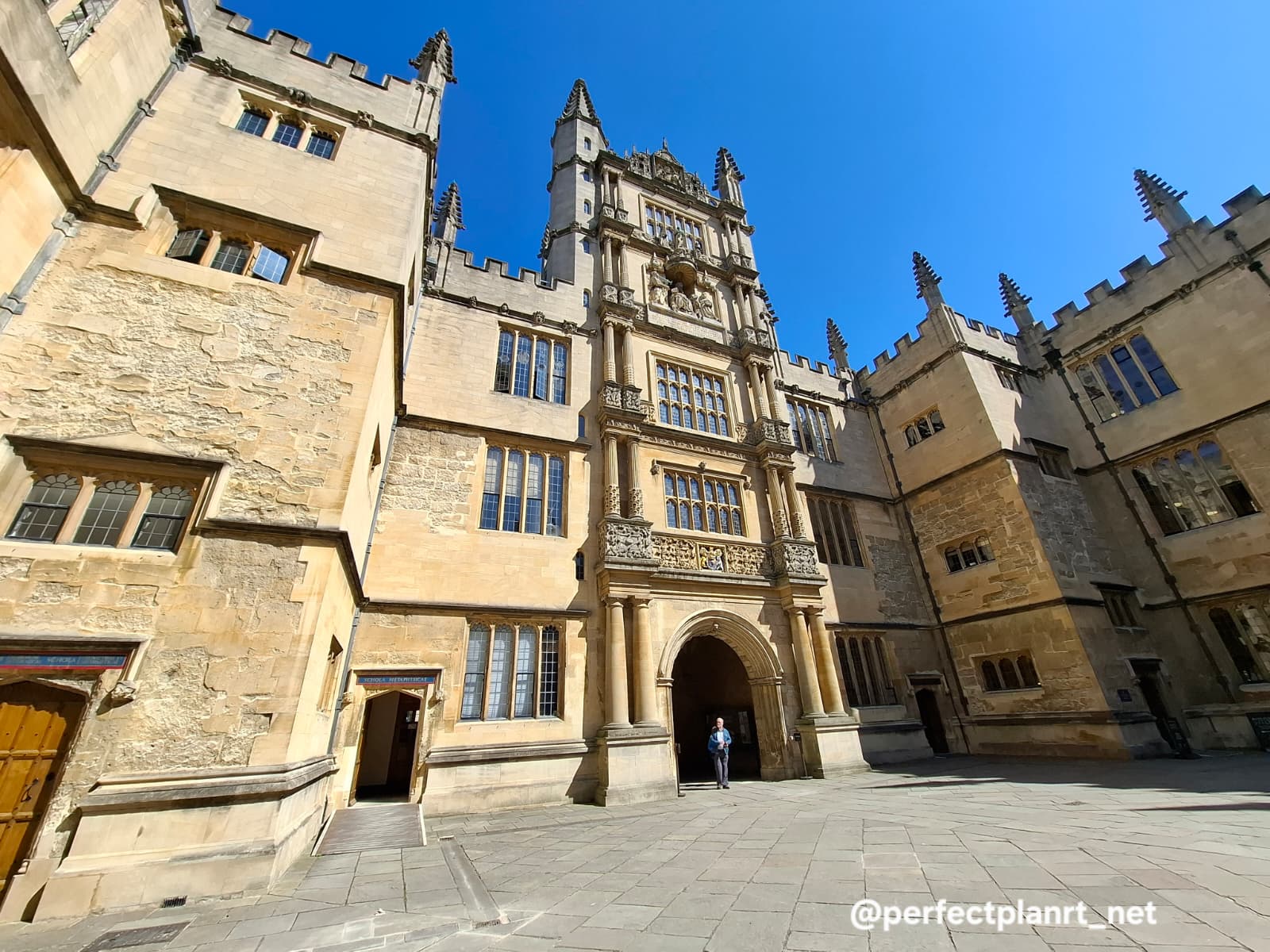
Oxford
5. Climb the Tower of St Mary’s, admission is €6 per person. It’s well worth the climb – the views are incredible. Your ticket also grants you access to the church, which is well worth a visit too.
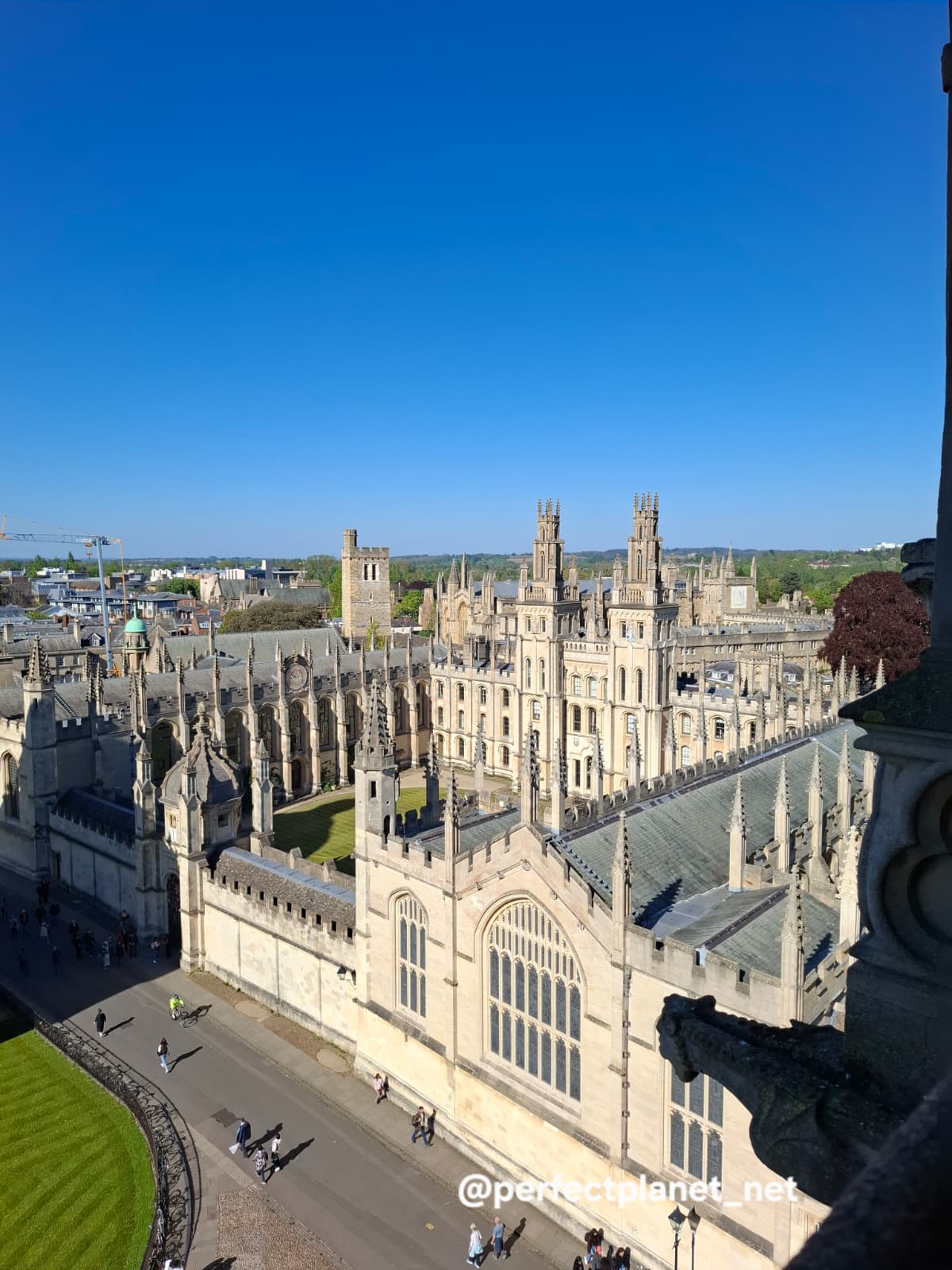
Vistas desde Sant Mary
6. Have a beer in the city’s old pubs, such as The Turf Tavern or The Bear Inn. The latter is the oldest; it’s tiny but has a few curiosities, such as a large collection of tie clips.
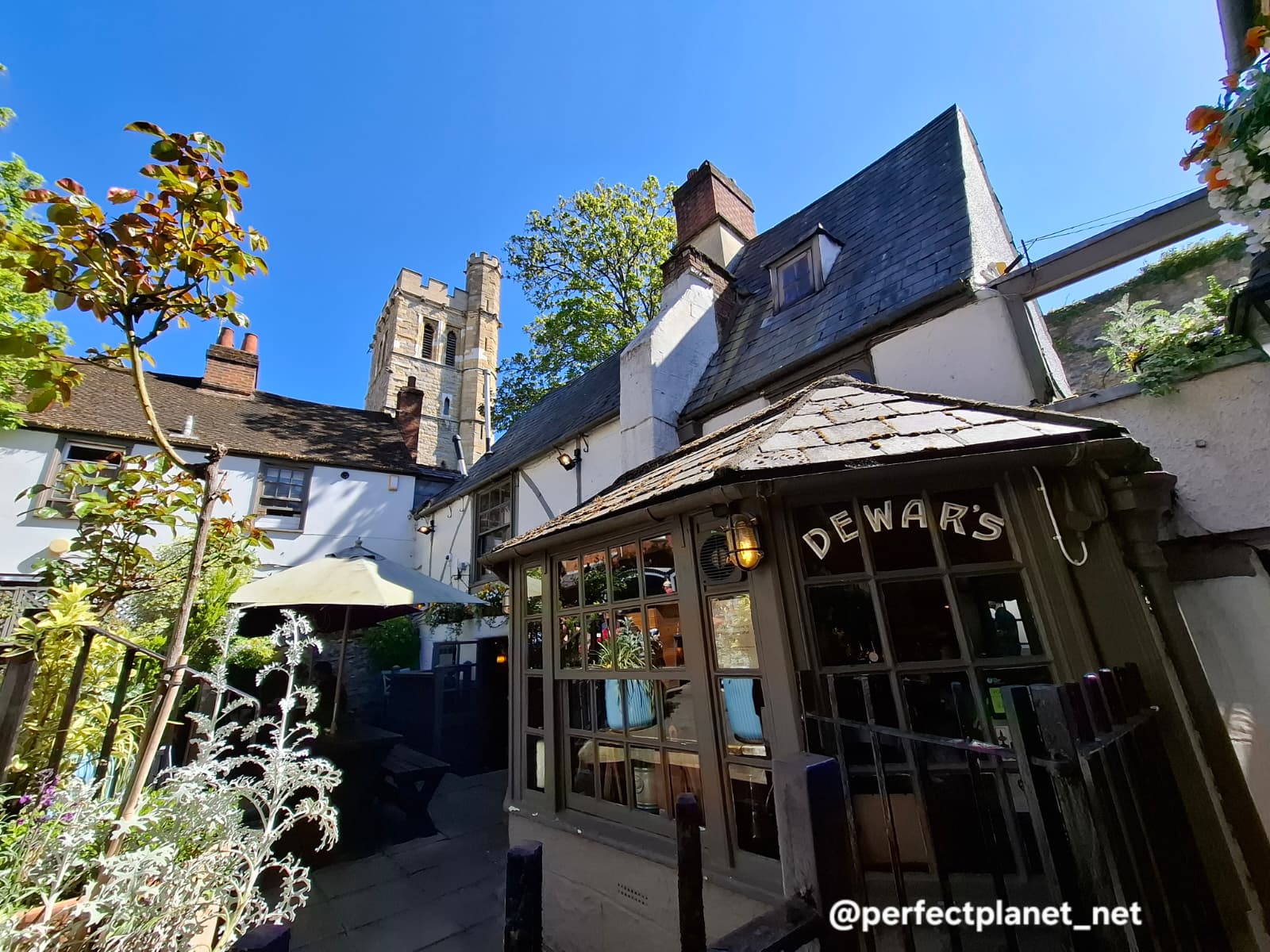
The Turf Tavern
Free things to do in Oxford
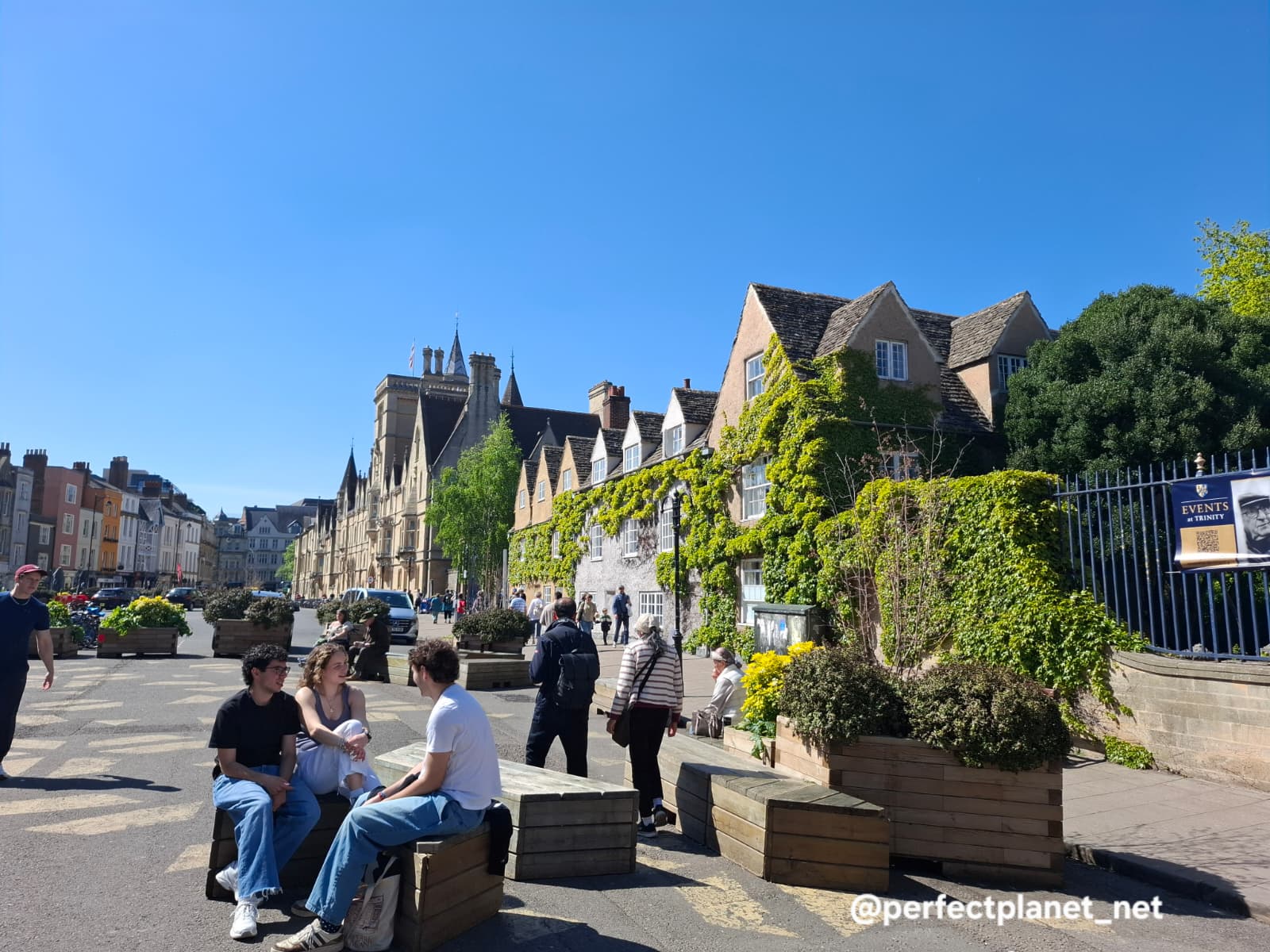
1. Explore the streets on foot. Oxford is full of distinctive architectural details and unique buildings in the English Gothic style. It boasts numerous green spaces such as Radcliffe Gardens, the famous botanical gardens located in the city centre.
2. The Bridge of Sighs. This famous Venetian-inspired bridge connects two parts of Hertford College. Passing under the bridge on your left, you’ll find an alleyway leading to one of Oxford’s oldest and most charming pubs, The Turf Tavern.
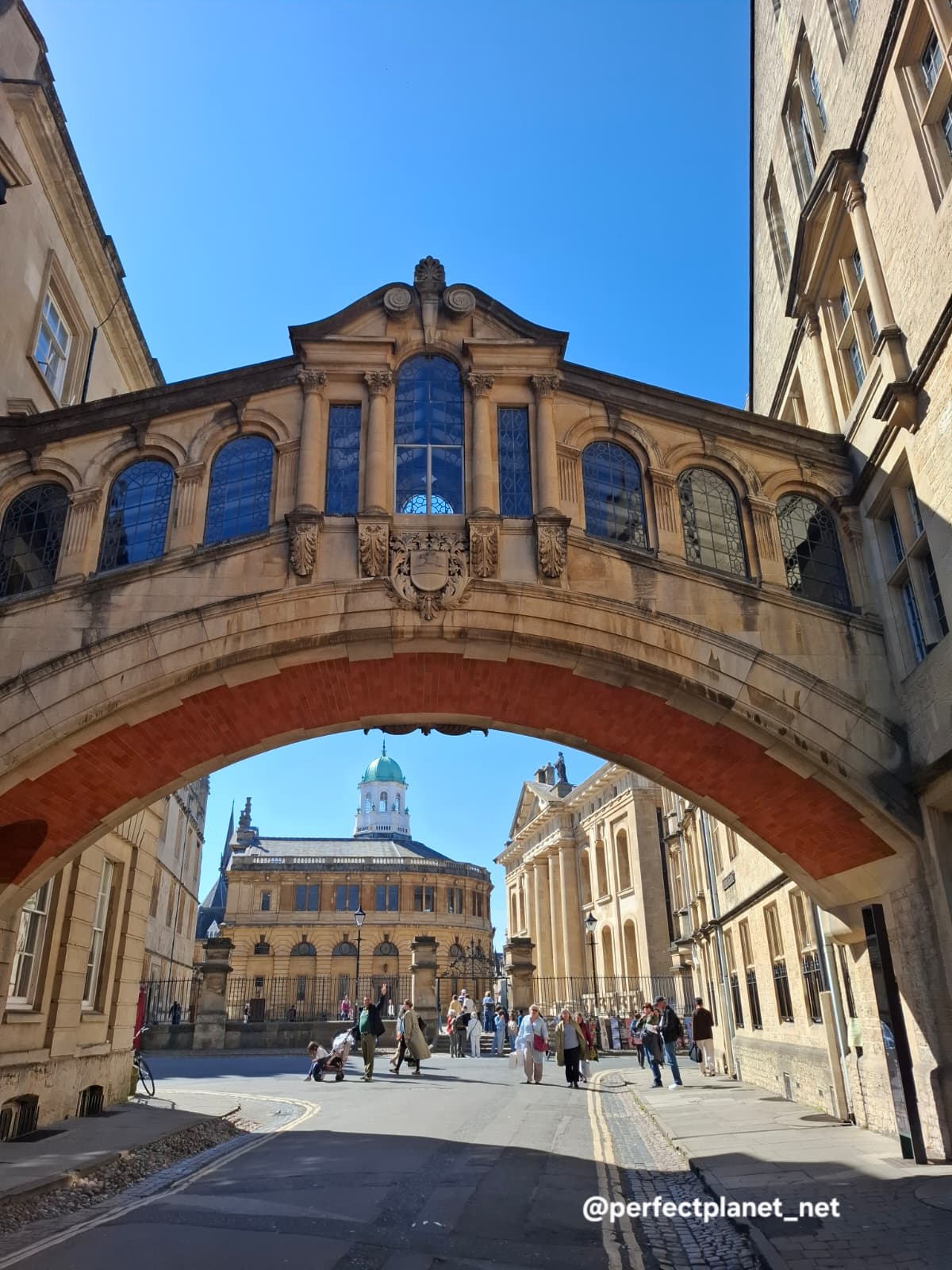
The Bridge of Sighs
3. Covered Market. You’ll have a great time at this lively market, wandering among the stalls as you look out for characters from Alice in Wonderland. Tip: look up. The building that houses the market is Victorian in style and was built in the 19th century.
4. Carfax Tower. Located in the heart of the city, it is one of its landmarks. It is the only remaining part of the 13th-century St Martin’s Church.
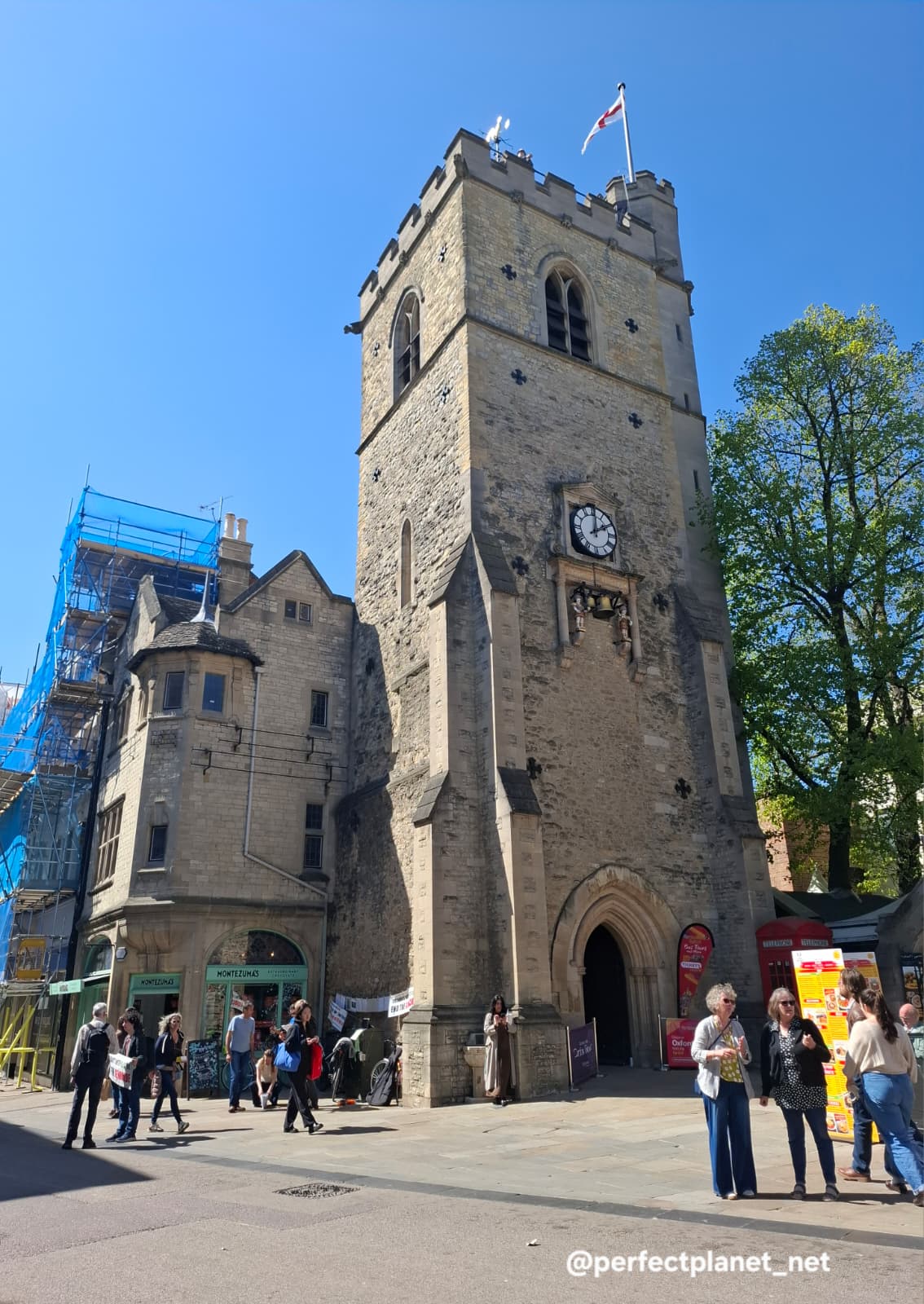
Carfax Tower
5. Natural History Museum. This museum is one of our favourite places in Oxford. Admission is free, though donations are welcome.
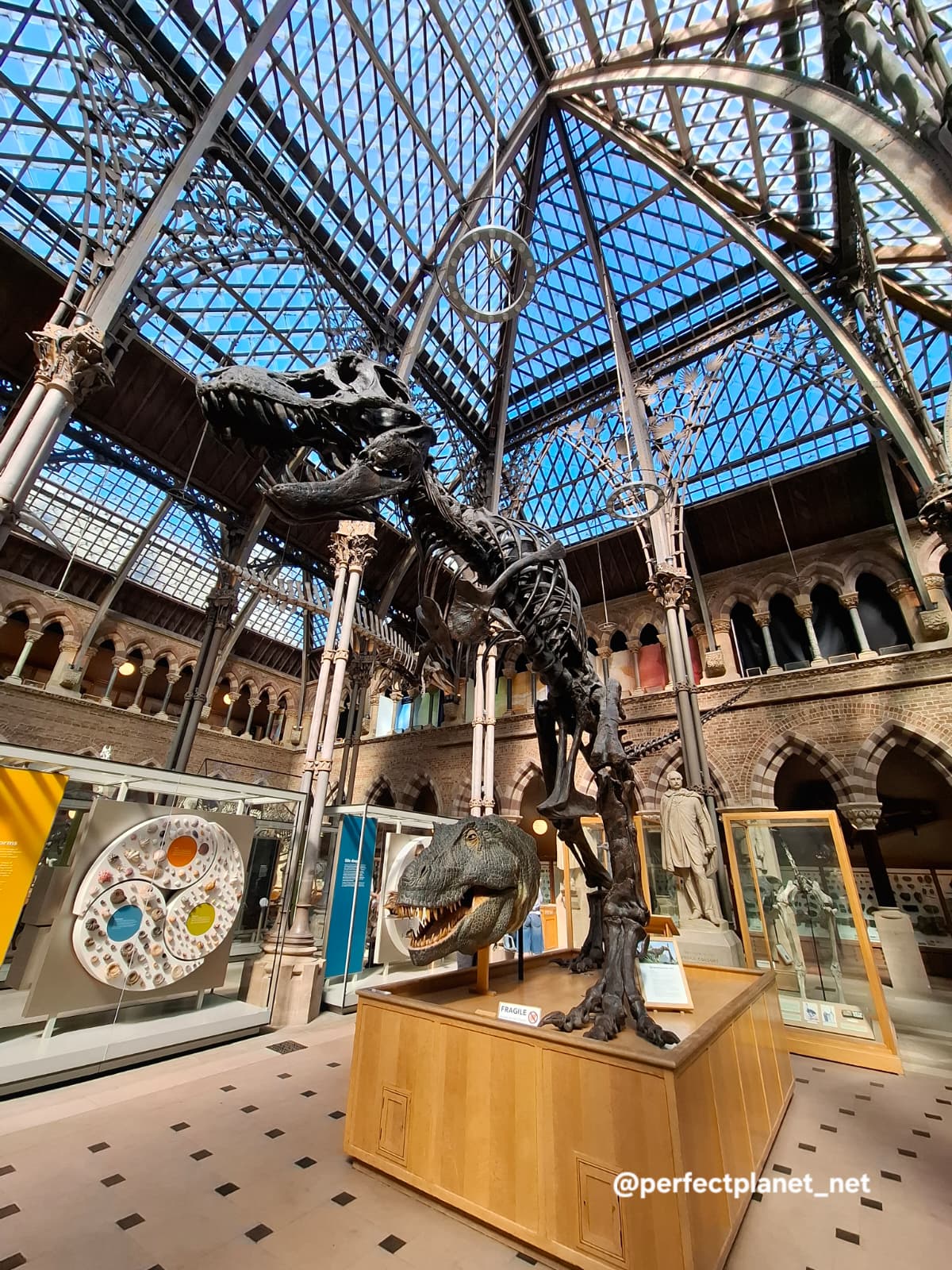
Natural History Museum
The interior of the building is spectacular, featuring a glass-roofed gallery with neo-Gothic pointed arches that will leave you speechless. It houses an exhibition of skeletons and animal replicas spanning history, from the age of the dinosaurs to the present day, archives of international significance, as well as gems and other curiosities of evolution.
From the Natural History Museum, you can access the Pitt Rivers Museum. Admission is also free, though donations are welcome. It displays a collection of tools, vessels, clothing and books from indigenous communities around the world, with an anthropological focus. For children, there are interactive games such as searching for little white mice around the room by following clues related to the exhibition.
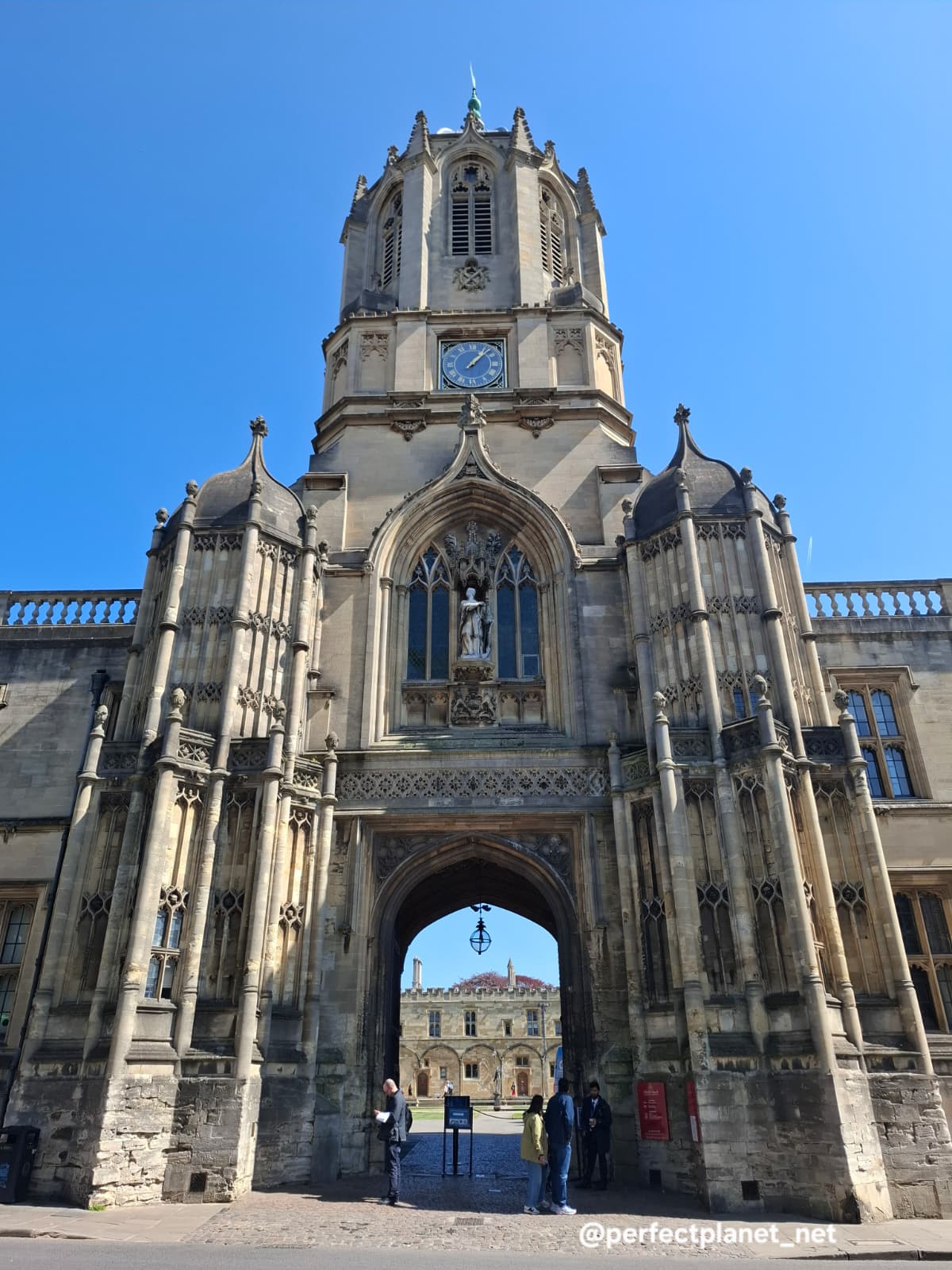
Oxford
6. The Headington Shark. One of the most unusual places to visit in Oxford. The owner of the house decided to install a sculpture of a starfish-shaped shark on his roof in the 1980s. The sculpture is intended to prompt public reflection on the nuclear threat. Although the council tried to get the owner to remove it, the shark remains on the roof for the time being.
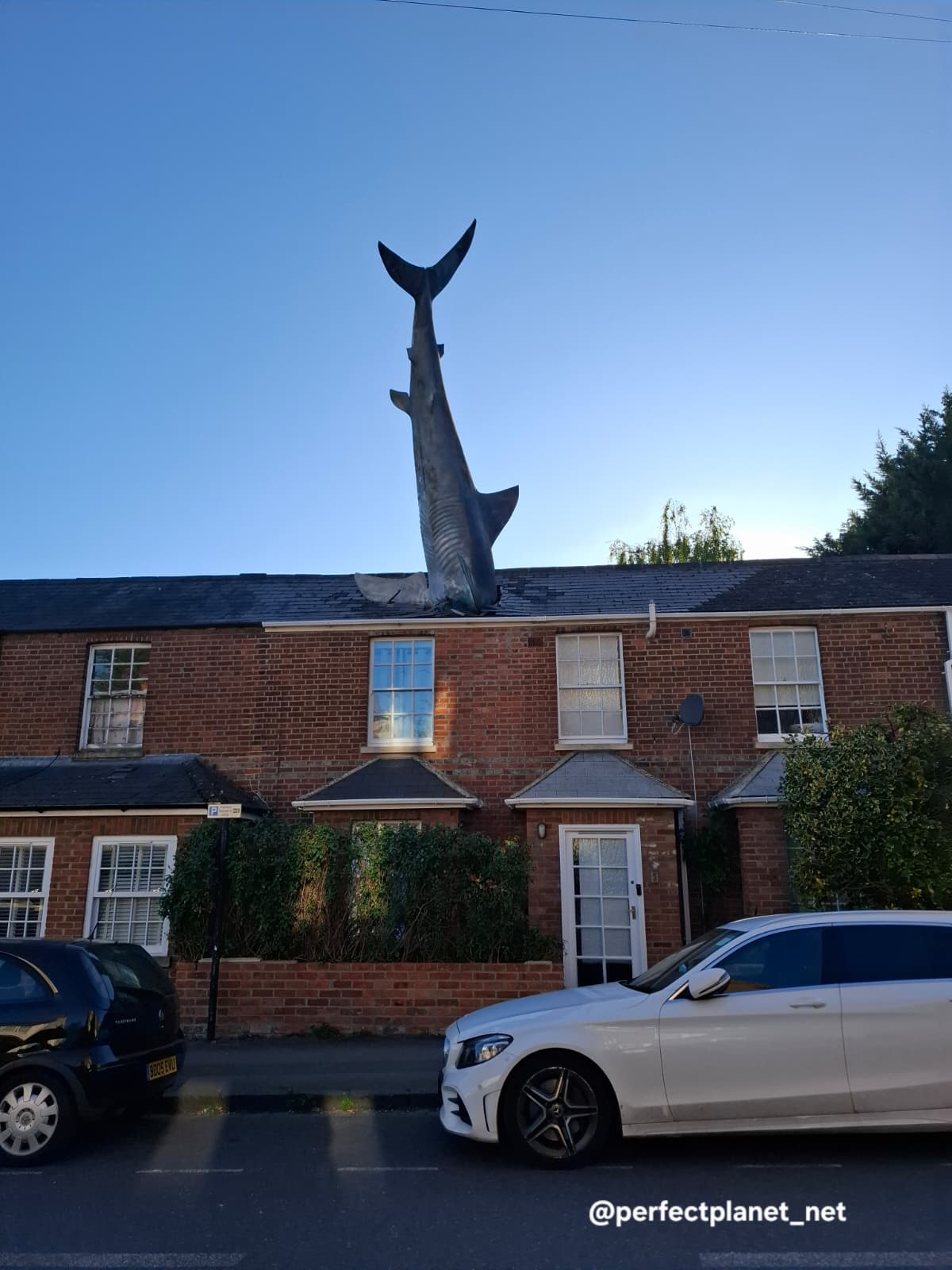
The Headington Shark
Located in Warwickshire, England, it is known as the birthplace of William Shakespeare. This small medieval town on the banks of the River Avon is just an hour’s drive from London.
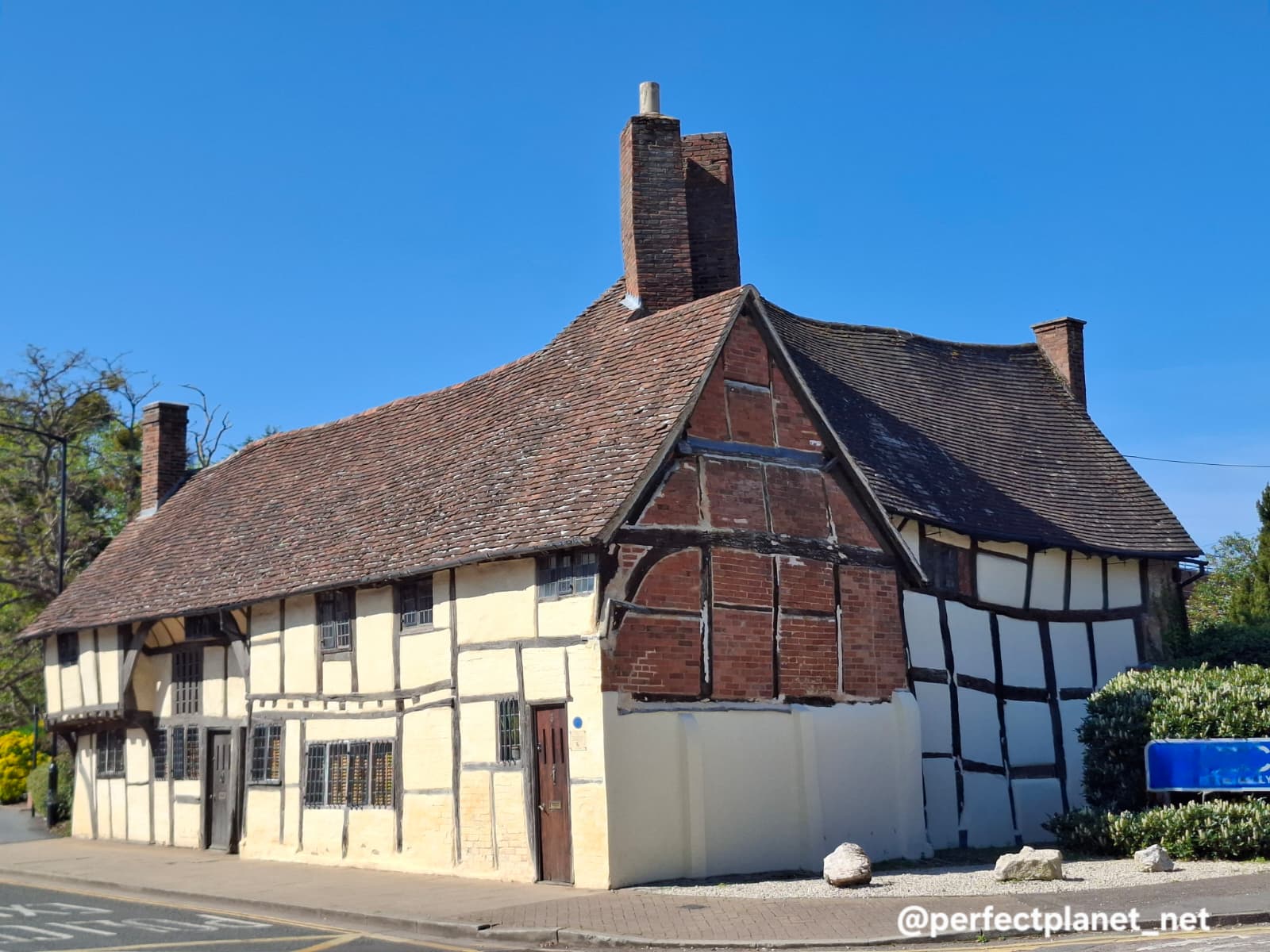
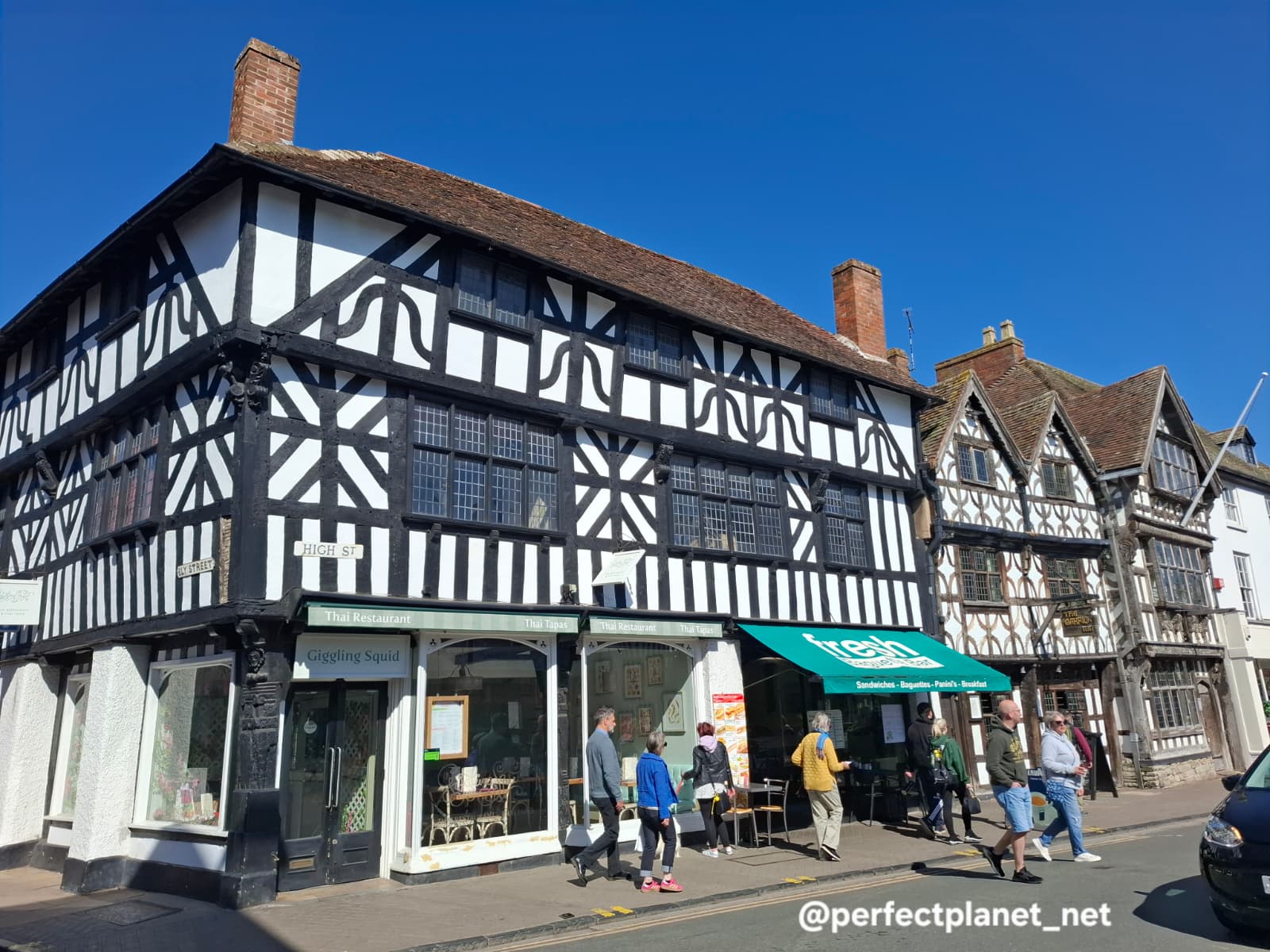
It is well worth a stroll through its streets and along its canals, where the Tudor-style houses with their half-timbered facades and large chimneys are a particular highlight.
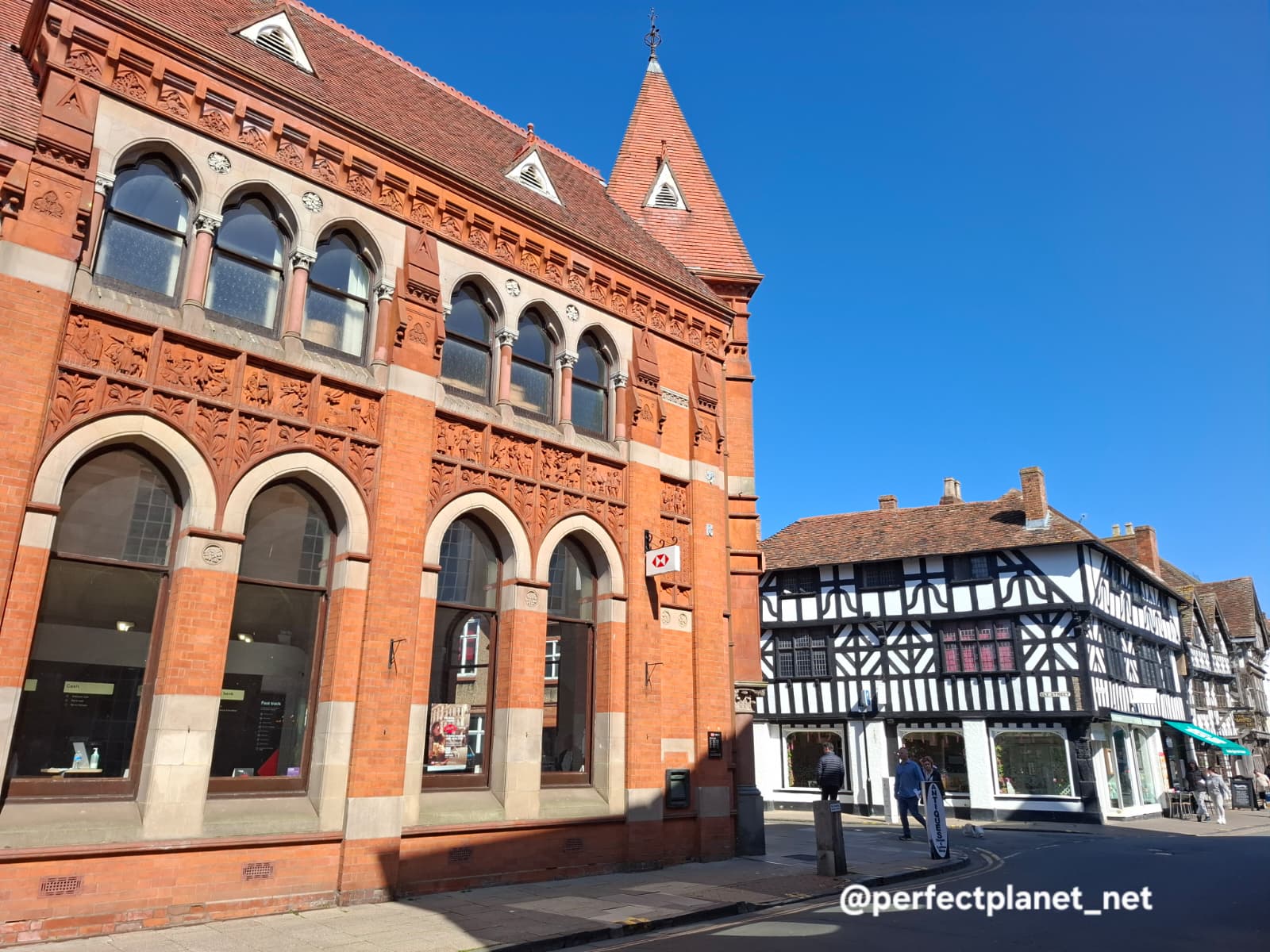
Stratford-upon-Avon
How to get to Stratford-upon-Avon
By car. It is an hour’s drive from London, making it ideal for a day trip. We recommend parking at the Bridgeway Multi-Storey Car Park, which is a 3-minute walk from the Gower Memorial to William Shakespeare, next to the jetty.
By train. There is a direct train from Marylebone station in London.
By bus. From London Victoria station or book an organised tour.
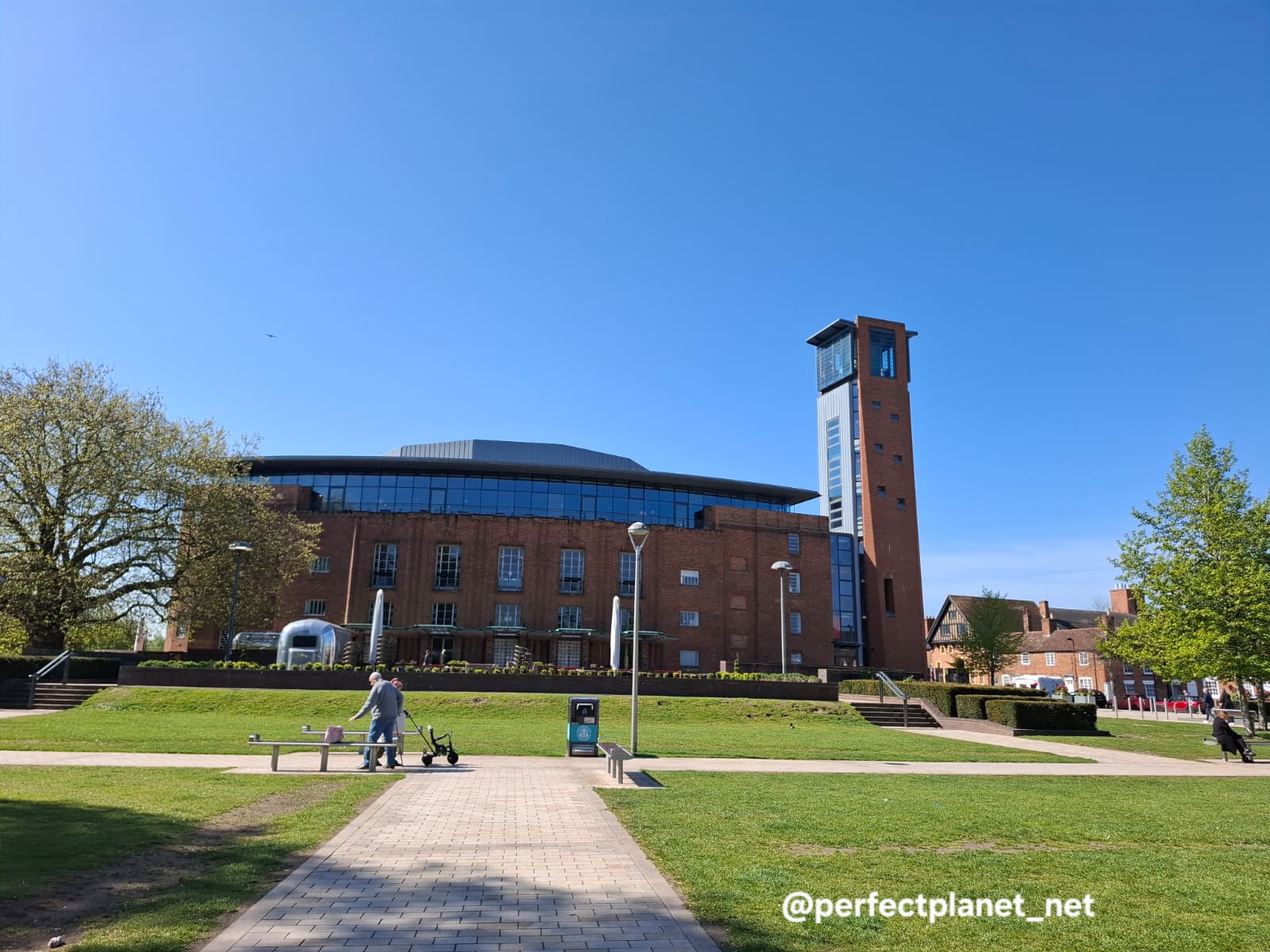
Shakespeare Royal Theatre
What to see in Stratford-upon-Avon
1. Shakespeare’s Birthplace. Shakespeare’s birthplace is located on Henley Street; it is a medieval townhouse where he was born in 1564. It is currently open to visitors; we recommend booking in advance, as admission costs around £20.
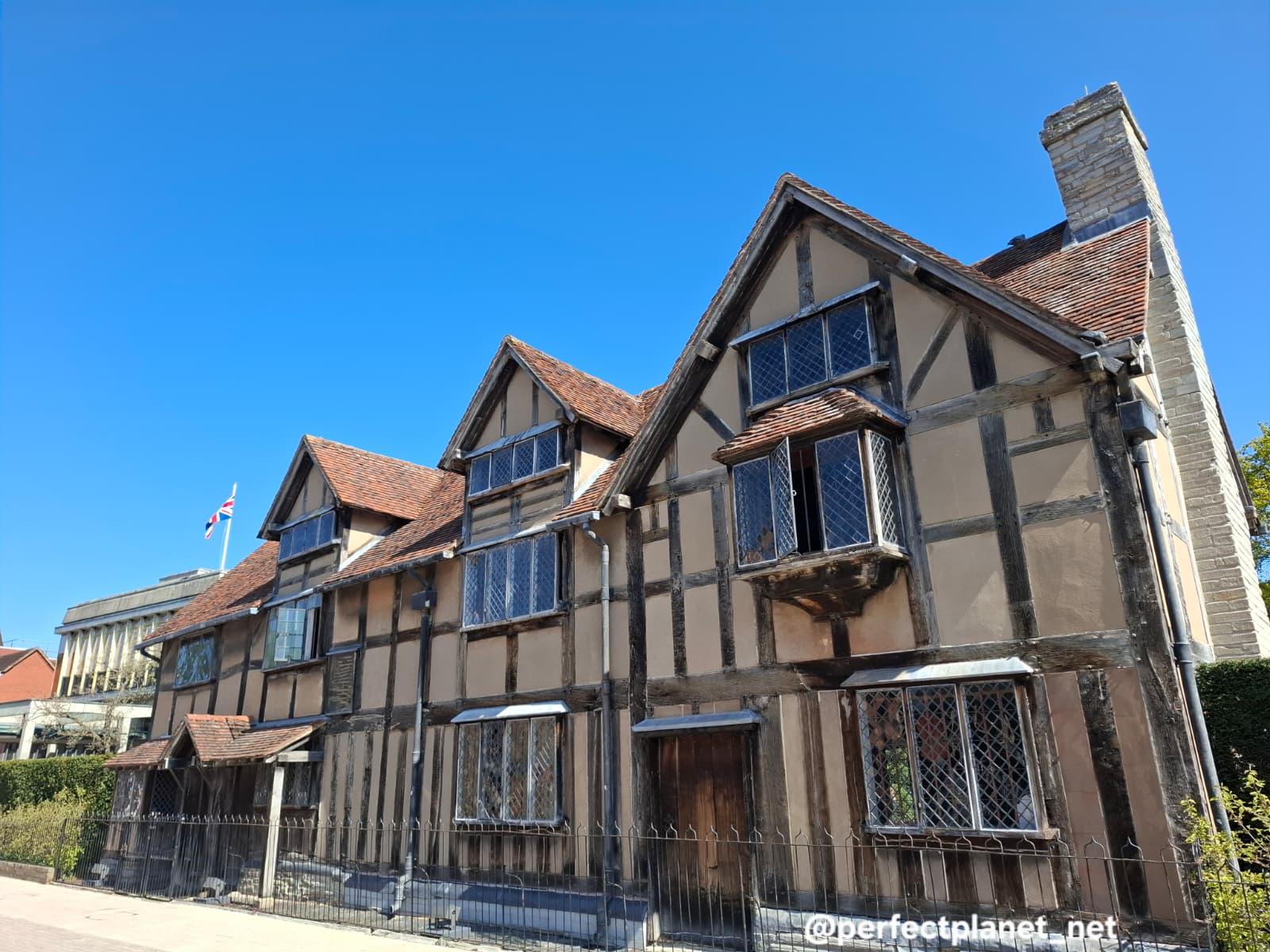
Shakespeare´s birthplace
2. Royal Shakespeare Theatre. Built in honour of the English playwright, it now hosts theatre performances.
3. Holy Trinity Church. The church where Shakespeare is buried; it was here that he was baptised and married Anne Hathaway (not to be confused with the actress).
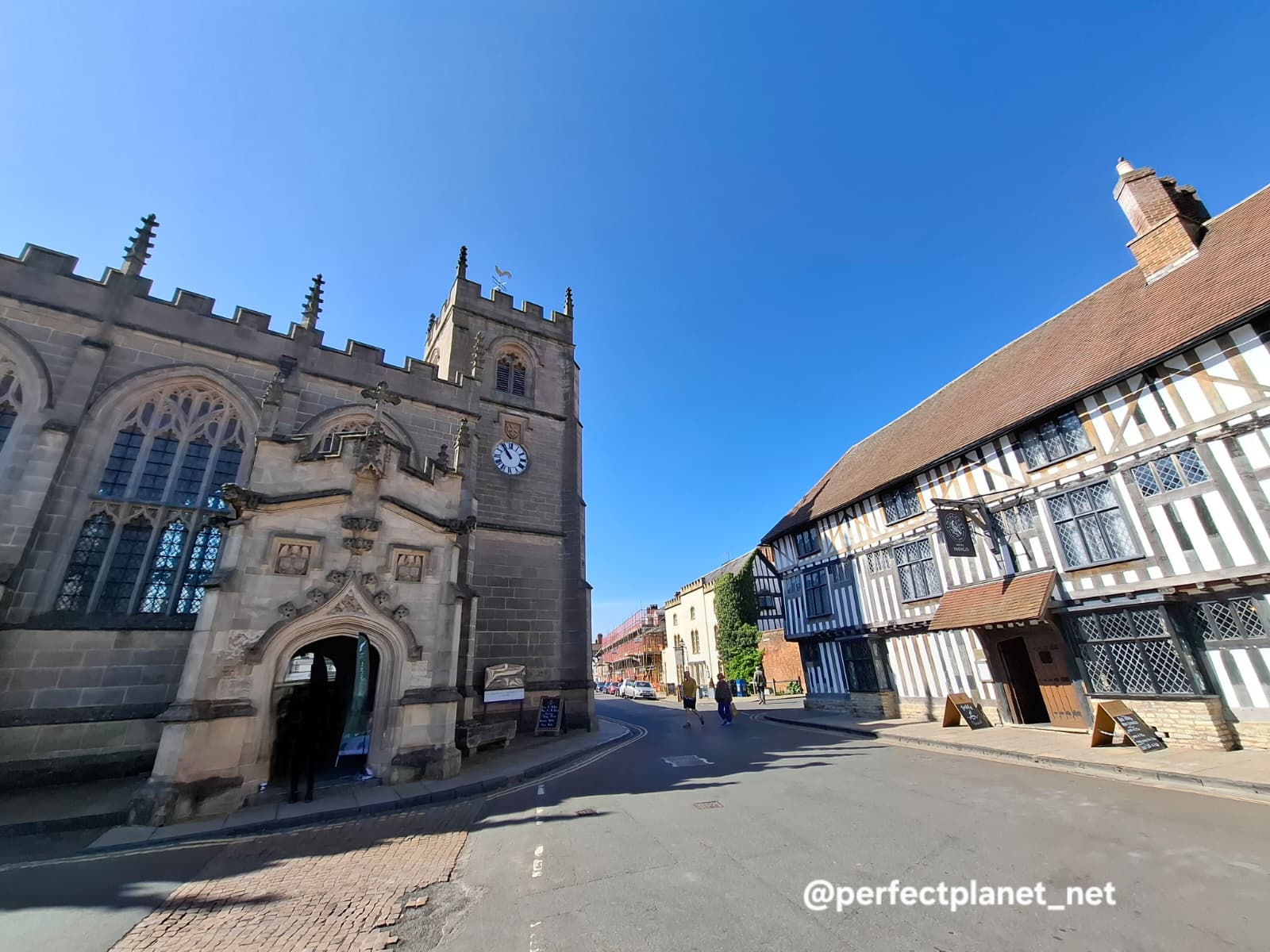
Stratford-upon-Avon
4. Shakespeare's New Place. The place where he spent his final years.
5. Guild School. The school where Shakespeare studied.
6. Canals along the River Avon. These canals were built in the 18th century to transport goods; with the advent of the railway, they gradually fell into disuse and are now a wonderful recreational option. You can take a trip on a barge, hire a kayak or go for a stroll along the riverbank.
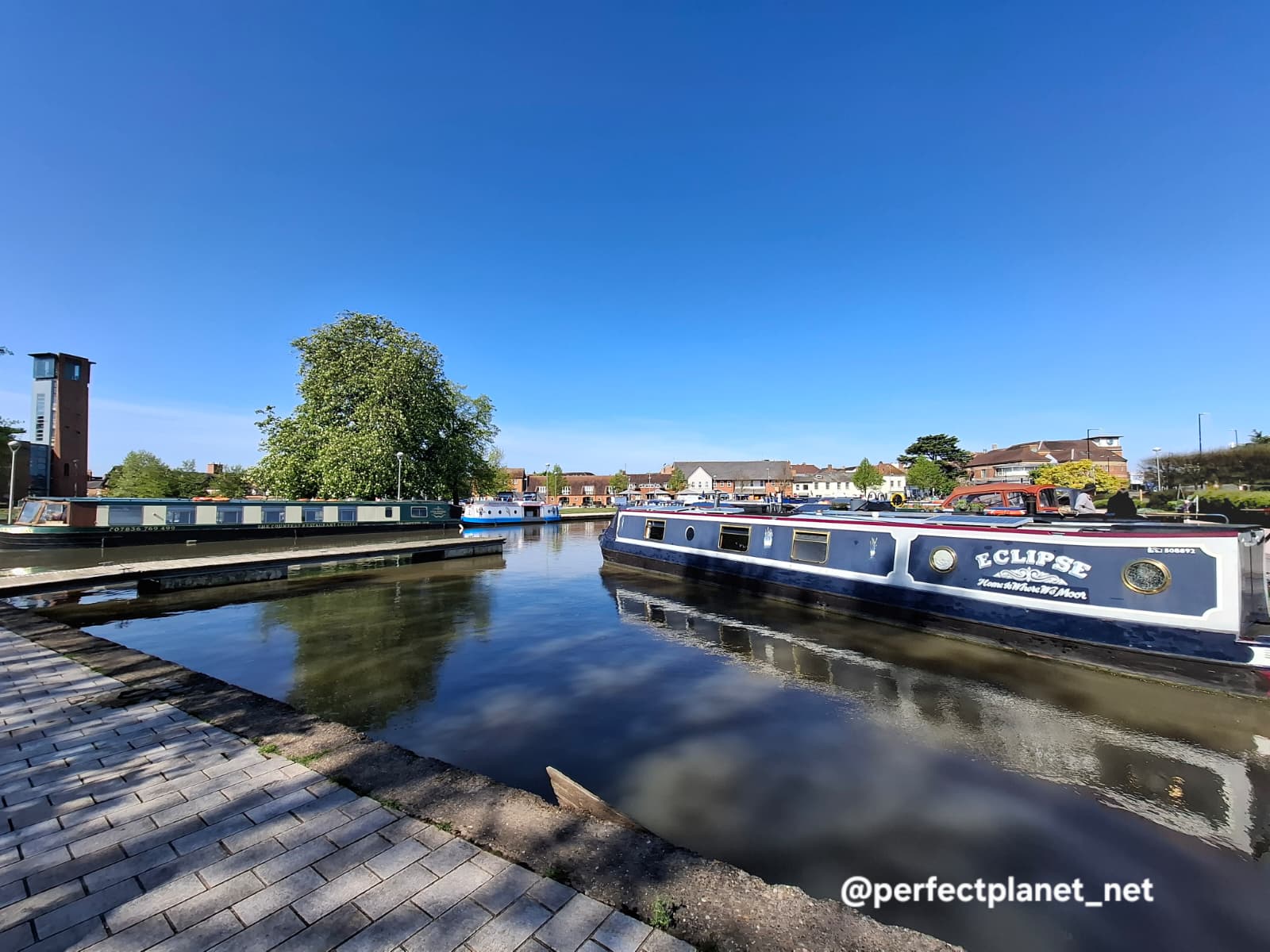
Canals
7. Gower Memorial. This sculpture group was erected in honour of William Shakespeare and features characters from his plays, such as Hamlet and Lady Macbeth. It was previously located opposite the theatre, but a fire destroyed the theatre and the sculpture group was moved.
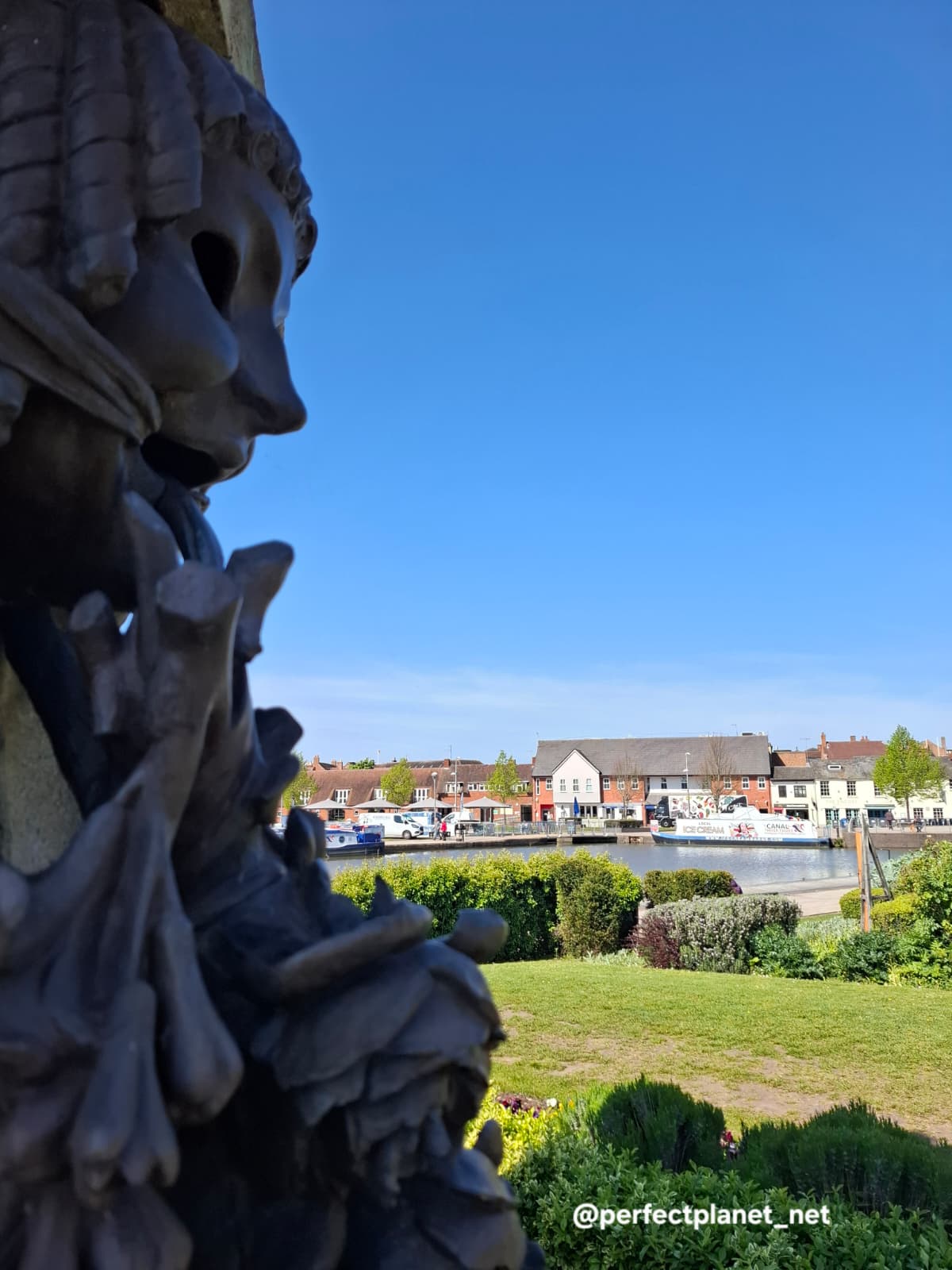
Gower Memorial
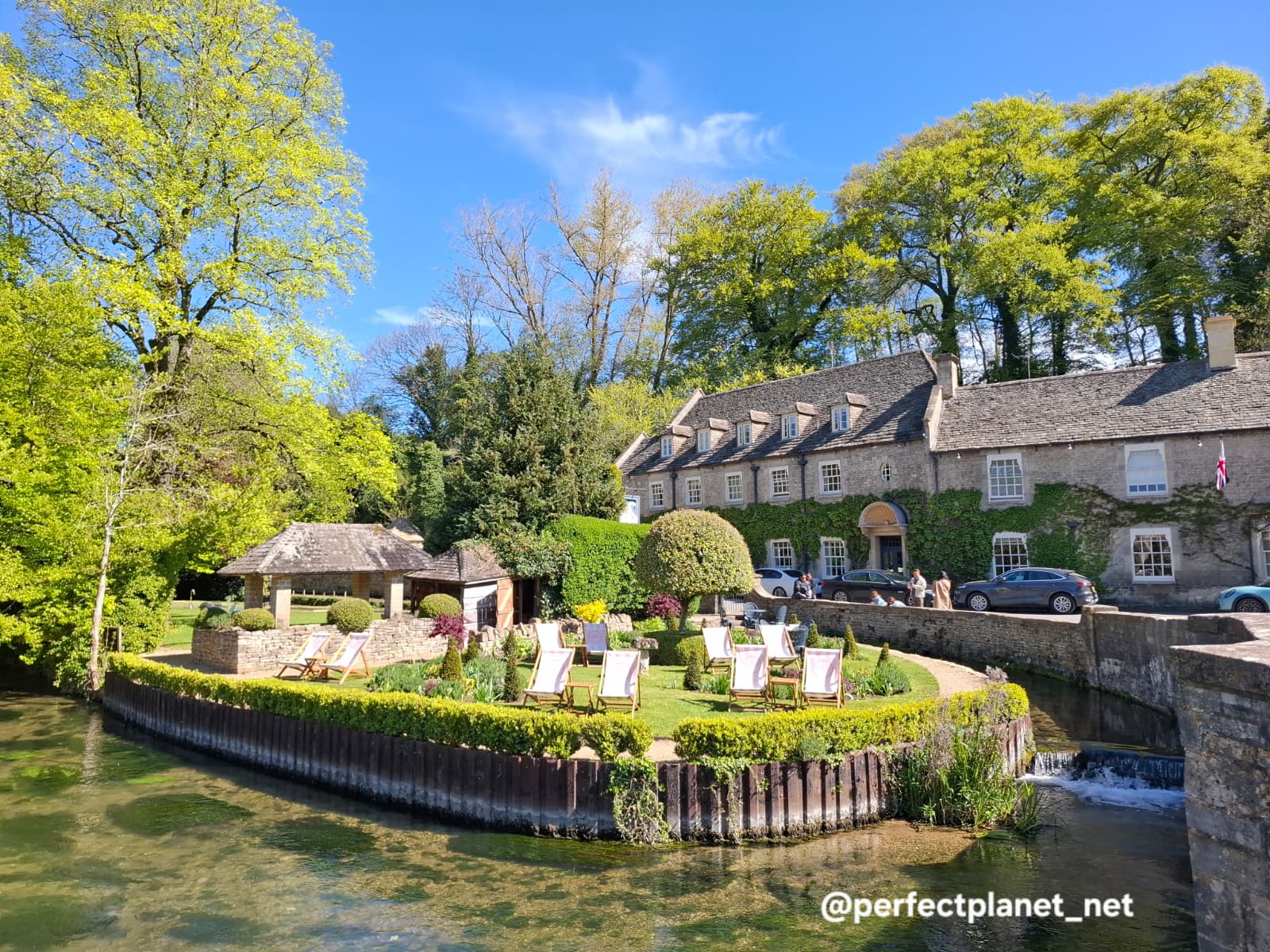
In the English countryside, spanning the counties of Gloucestershire, Oxfordshire, Warwickshire, Wiltshire and Worcestershire, lies this collection of beautiful, carefully preserved historic villages, criss-crossed by canals and surrounded by rolling hills and green meadows.
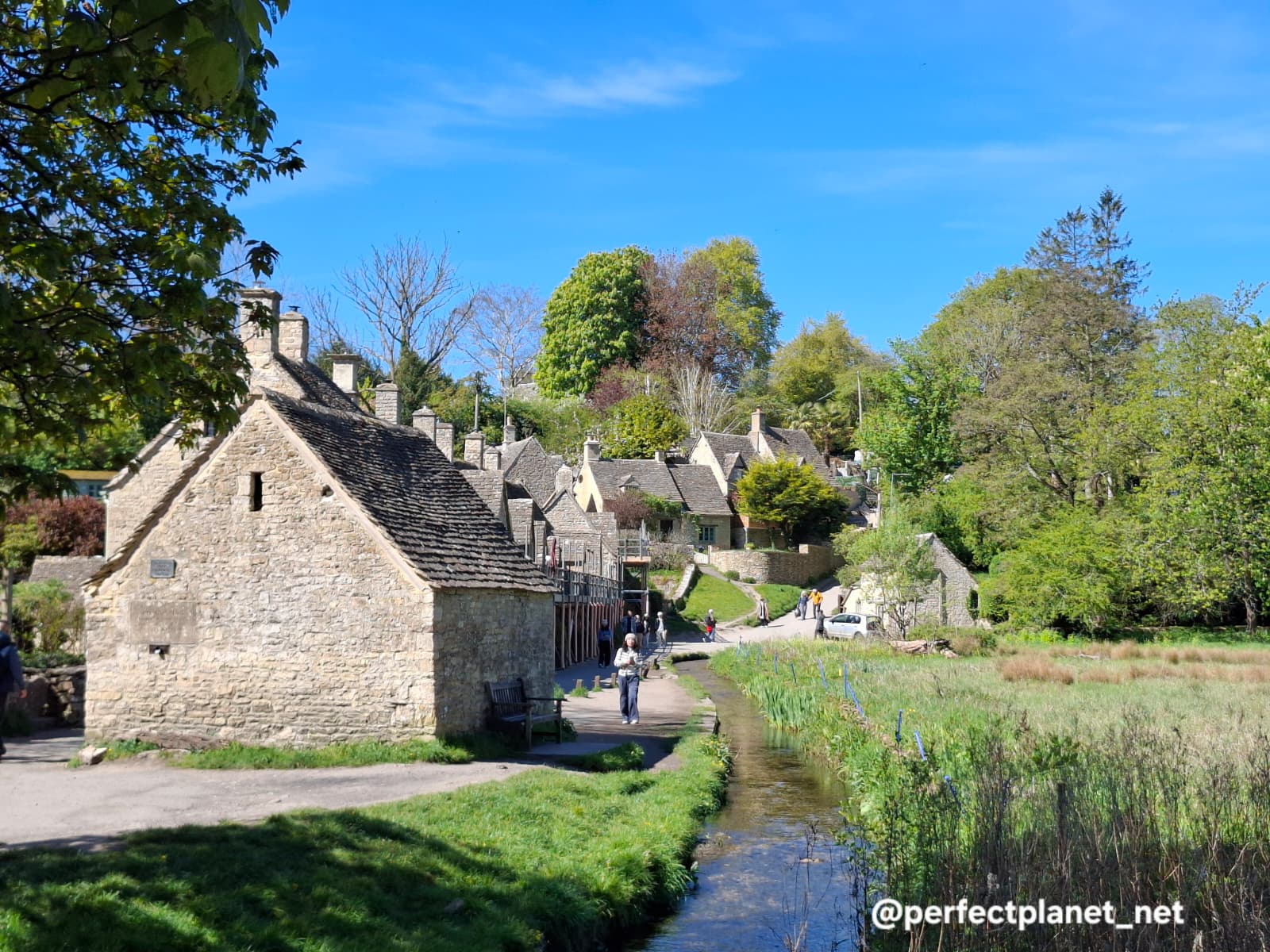
Bibury
When to visit the Cotswolds
You can visit at any time of year, though we recommend spring, when the wisteria that covers the facades of the houses is in bloom (like the wisteria on the front of the Bridgerton house).
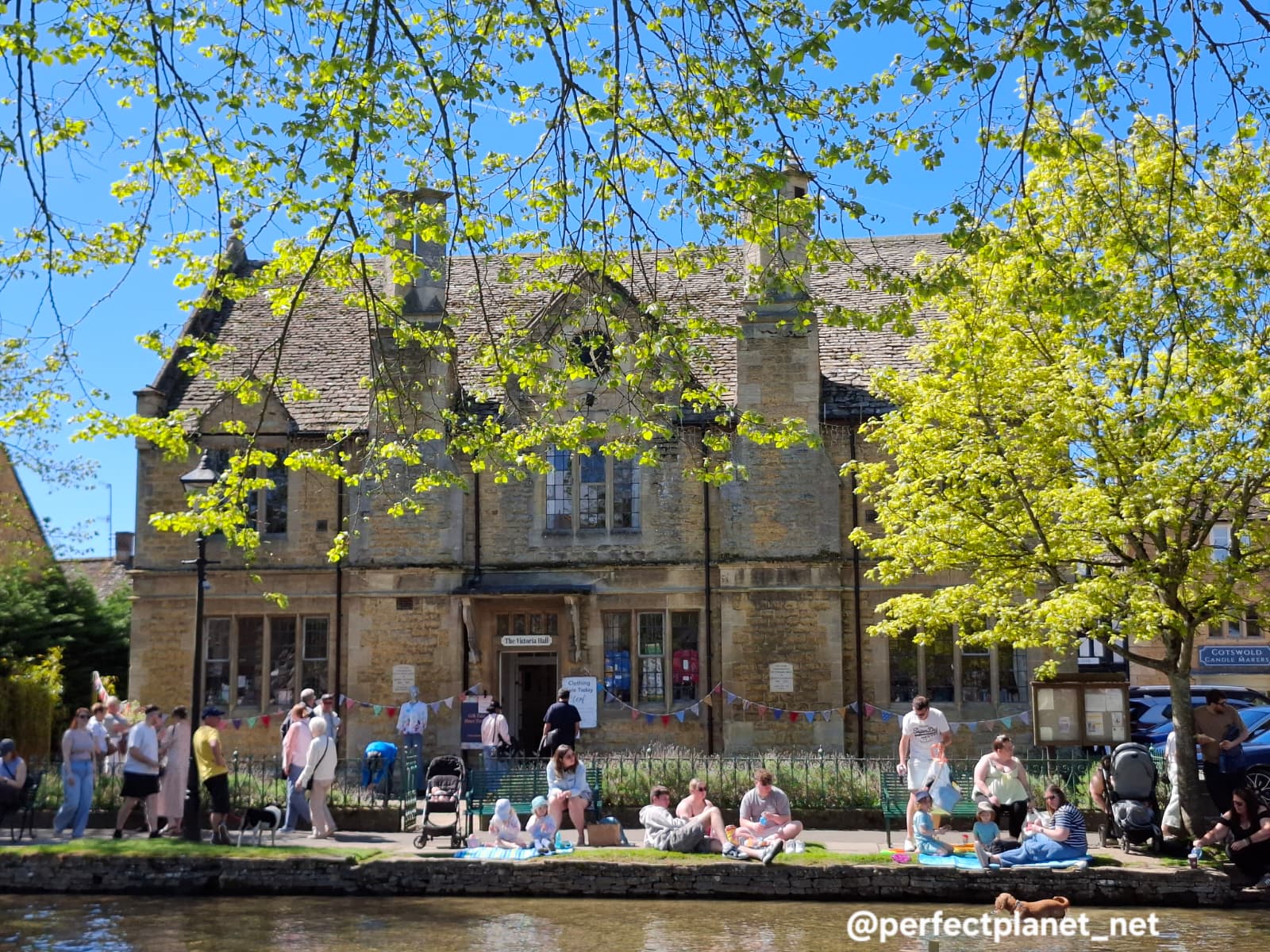
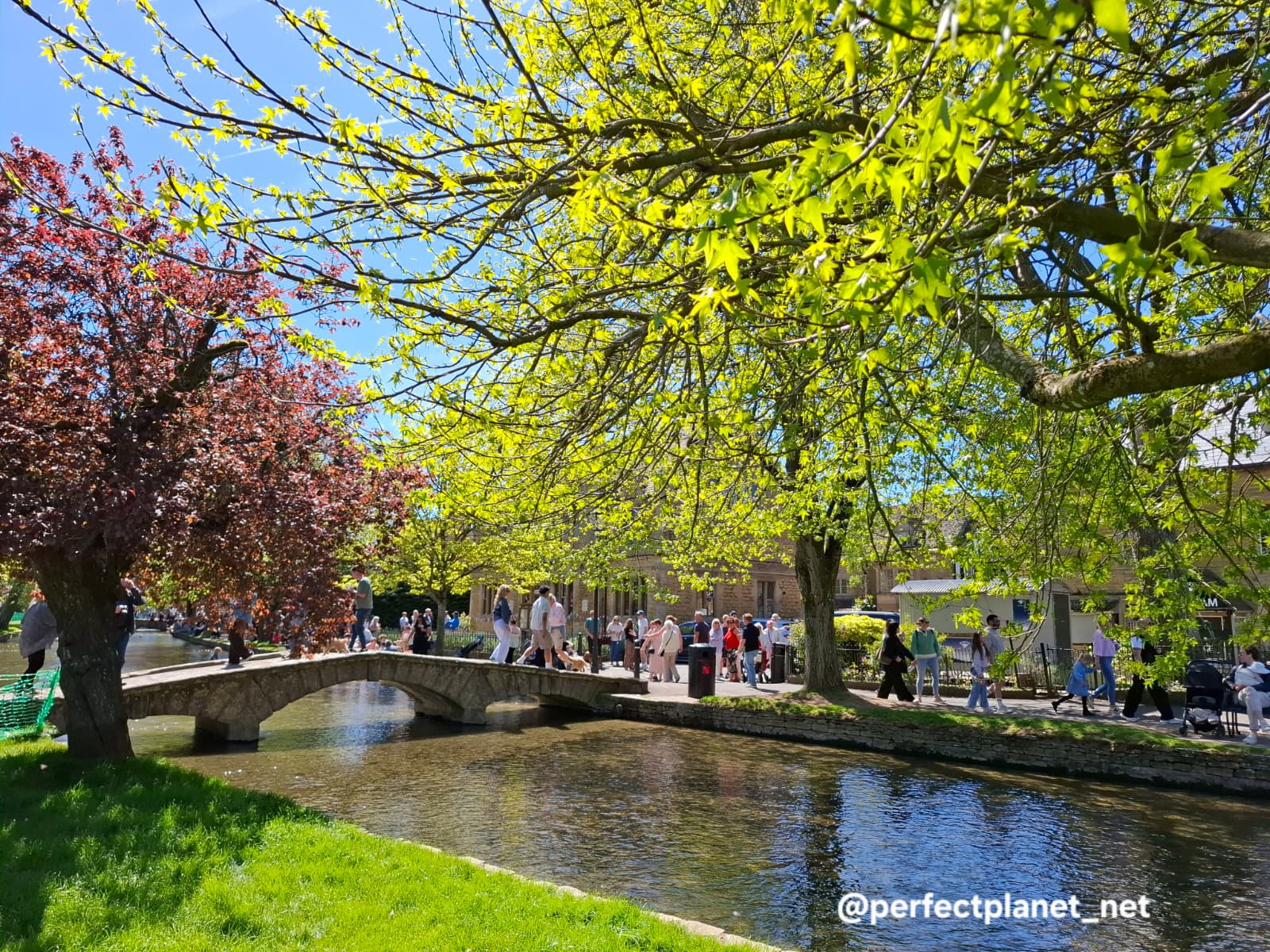
Bourton-on-the-Water
How to get to the Cotswolds
The Cotswolds region is about an hour and a half to two hours from London, although Birmingham and Bristol are closer.
Your own car or a hire car. In our opinion, the best way to visit is to hire a car. You’ll want to stop at every turn.
The roads are narrow but quiet. You can drive with a Spanish driving licence without needing to apply for an international driving permit.
It’s easy to find parking in almost all the villages, although some charge a fee.
Public transport. It’s complicated and there’s little information available for visiting the Cotswolds by public transport. If you’re short on time, a good idea is to visit on an organised tour; we recommend this one.
By plane. Birmingham and Bristol airports are the nearest; airlines such as Ryanair and EasyJet operate direct flights from Spain.
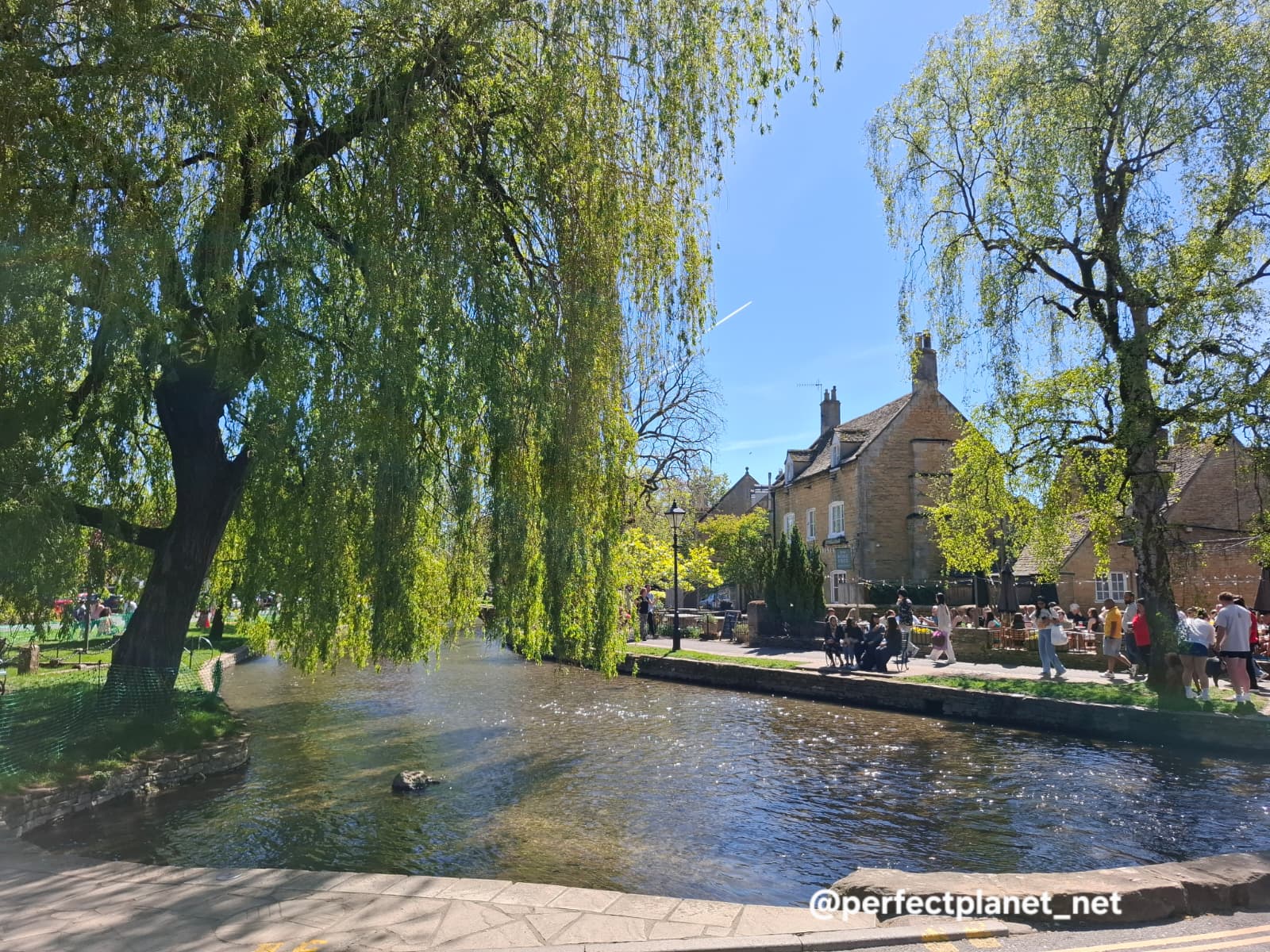
Bourton-on-the-Water
What to visit
The Cotswolds are characterised by their white limestone houses. Many of them date back to the Middle Ages and are in excellent condition. This area became very prosperous thanks to the wool trade around the 15th century.
There are almost a hundred places to visit in the Cotswolds. Depending on how much time you have, you’ll be able to see more, though we recommend that you at least don’t miss the following:
1. Bibury. This small British village is one of the most photographed in England. And it’s no wonder: the 14th-century stone houses of the iconic Arlington Row (in the village of Bibury) are truly breathtaking. Although in the 17th century, the wool warehouses on Arlington Row were converted into weavers’ cottages.
2. Bourton-on-the-Water, known as the ‘Venice of the Cotswolds’. 15th-century stone houses and riverside cafés in this idyllic village on the River Windrush.
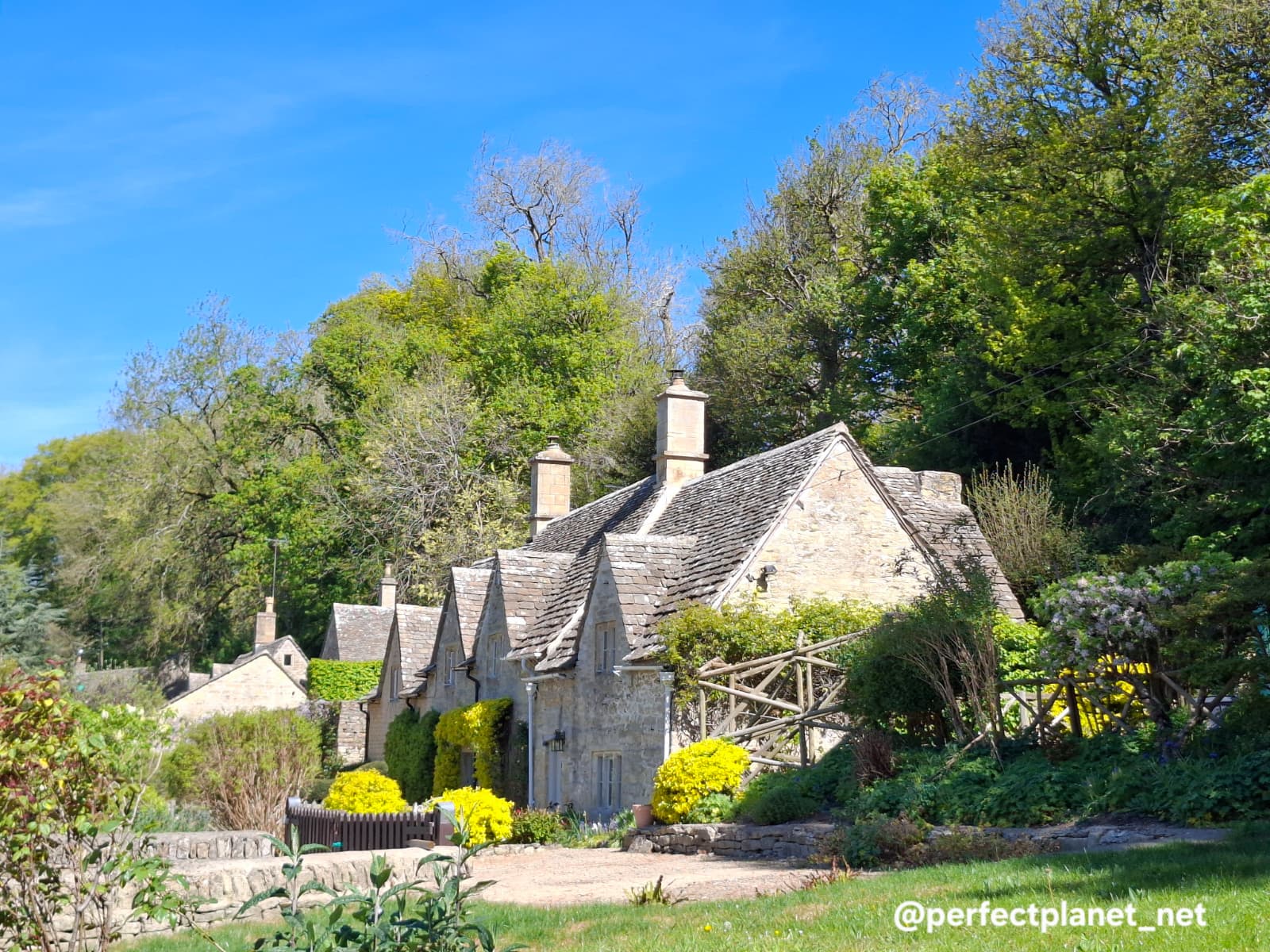
Bibury
3. Burford.Also by the River Windrush stands its striking three-arched stone bridge. Country cottages and shops line the high street, some in the Tudor style.
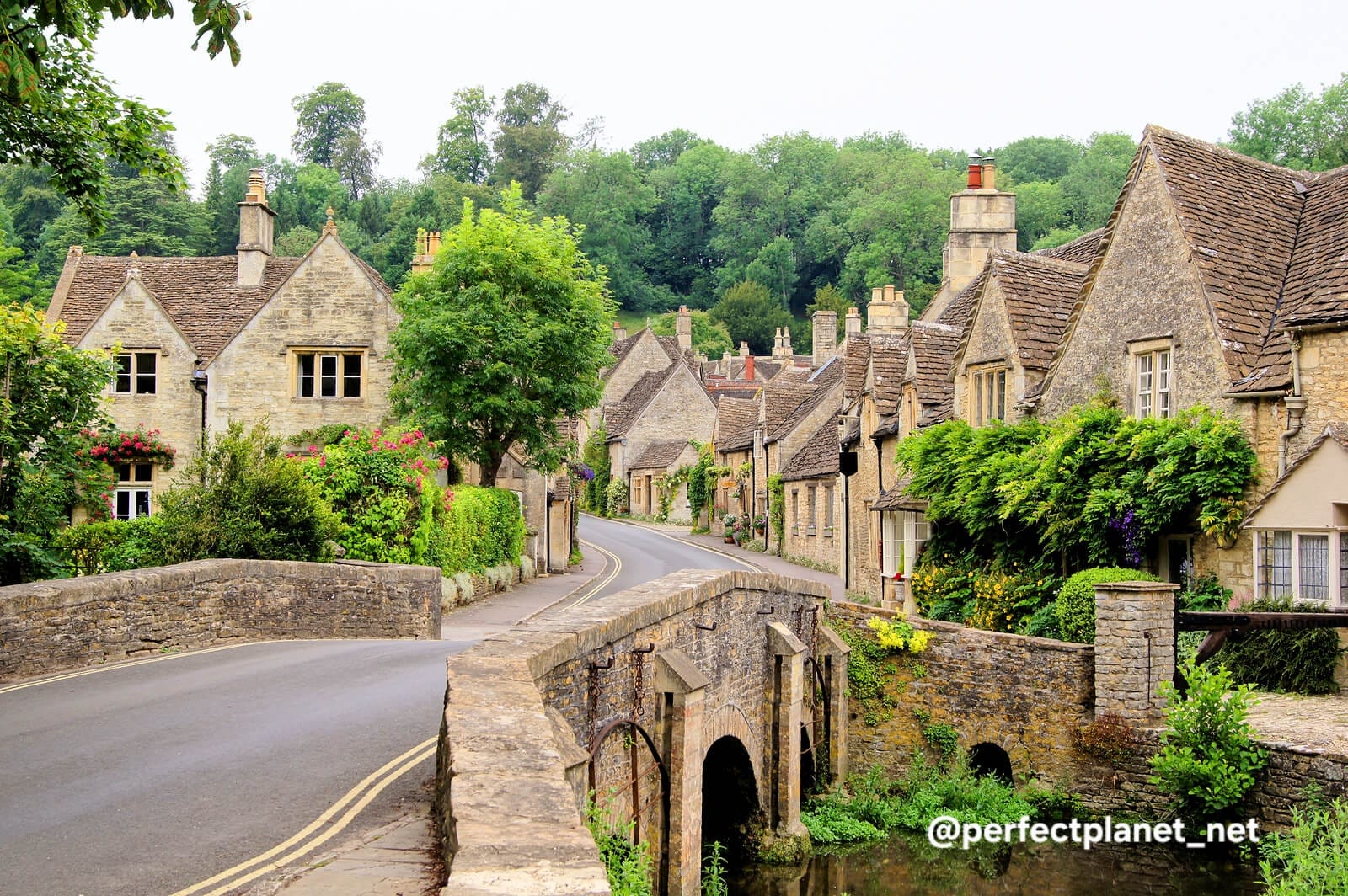
4. Castle Comb. This small village, with a population of just 300, is considered one of the prettiest villages in England. Its 14th-century medieval-style cottages have won over every visitor.
Castle Comb
- Log in to post comments